Nowadays, it's more important than ever to ensure a healthy environment within our own four walls. Especially in the living room, the central place for relaxation and gathering, we must be aware that pollutants can affect our health. But don't worry, there are simple steps we can take to effectively avoid pollutants and improve our quality of life.
What are pollutants and how do they affect our health?
Before we delve into the topic of avoiding pollutants, it's important to understand exactly what pollutants are and how they can affect our health.
Definition and types of pollutants: Pollutants are substances that can negatively impact the environment and our health. They can come from various sources, such as building materials, furniture, paints, and varnishes. The most common pollutants include volatile organic compounds (VOCs), formaldehyde, heavy metals, and particulate matter.
Effects of pollutants on health: Long-term exposure to pollutants can lead to a variety of health problems, including breathing difficulties, headaches, allergies, and even serious diseases like cancer. This is why it's so important to avoid pollutants in your living room, or at least minimize them.
Volatile organic compounds (VOCs): VOCs are pollutants that can easily evaporate and enter the air. They are often found in products such as paints, cleaning products, furniture, and flooring. Long-term exposure to VOCs can cause breathing difficulties, headaches, and irritation of the eyes, nose, and throat. It's important to look for products labeled "VOC-free" to reduce exposure to these pollutants.
Formaldehyde: Formaldehyde is another common pollutant found in many building materials, furniture, and household products. It's known for its strong odor and can cause headaches, respiratory irritation, and allergies. It's advisable to choose formaldehyde-free or low-formaldehyde products to minimize exposure.
Heavy metals: Heavy metals such as lead, mercury, and cadmium are also dangerous pollutants that can be present in various products. They can enter our bodies through the consumption of contaminated foods or contact with contaminated water or soil. Long-term exposure to heavy metals can lead to serious health problems such as kidney and liver damage, neurological disorders, and developmental problems in children. It is important to minimize heavy metal intake by consuming controlled foods and using water filters.
Fine dust: Fine dust particles are tiny particles floating in the air and can come from various sources, such as internal combustion engines, industrial emissions, and household dust. Long-term exposure to particulate matter can lead to respiratory problems, heart disease, and even premature death. It's important to reduce exposure to fine dust by ventilating regularly, using air purifiers, and staying away from areas with high levels of air pollution.
To protect our health, it's important to be aware of the different types of pollutants and take measures to reduce exposure. This can be achieved by purchasing environmentally friendly products, regularly cleaning and ventilating rooms, and avoiding highly polluted areas. By taking care of our environment, we can also improve our health.
Common sources of pollutants in the living room
Potential sources of pollutants are found in almost every living room. Here are some of the most common:
Furniture and carpets as sources of pollutants
Some furniture and carpets can emit pollutants such as formaldehyde and volatile organic compounds (VOCs). This occurs through fumes from the materials used, such as wood or adhesives. By choosing low-polluting materials like solid wood and non-polluting upholstery materials when purchasing furniture, you can reduce this risk.
Another aspect to consider when choosing furniture is the origin of the materials. Furniture from sustainably managed forests or made from recycled materials is often more environmentally friendly and contains fewer pollutants. It's worth looking for relevant certifications such as the FSC seal.
In addition to choosing the right furniture, regular carpet cleaning can also help reduce pollution in your living room. Dust that accumulates in carpet fibers can be a source of pollutants. It's therefore recommended to vacuum your carpet regularly and, if necessary, have it professionally cleaned.
Electronic devices and their polluting emissions
Electronic devices such as televisions, computers, and game consoles can also emit pollutants. In particular, the plastics used in these devices can release volatile organic compounds (VOCs). It is recommended to use these devices in well-ventilated areas and clean them regularly to prevent the accumulation of pollutants.
When disposing of electronic devices, it's important to do so correctly, as they can often contain hazardous substances such as lead, mercury, or bromine compounds. E-waste should therefore not be disposed of with household waste, but should be taken to designated collection points or recycling centers.
Harmful substances in paints and varnishes
When painting or renovating your living room, it's important to choose paints and varnishes with low levels of harmful substances. Conventional paints and varnishes can contain volatile organic compounds (VOCs), which are released during drying and are harmful to indoor air quality. It's worth looking for low-polluting alternatives and making sure the room is well ventilated during and after painting.
To further reduce pollution, you can also use eco-friendly paints and varnishes made from plant-based or mineral raw materials. These are often solvent-free and contain less toxic substances.
Another tip is to ensure good humidity in the room while painting. If the air is too dry, paints and varnishes can dry faster and release more volatile organic compounds. By installing humidifiers or hanging damp cloths in the room, you can increase humidity and reduce pollutant emissions.
Practical tips for reducing pollutants in your living room
Now that we understand the most common sources of pollutants in the living room, we can focus on how to effectively reduce them. Here are some practical tips:
Selection of low-polluting materials
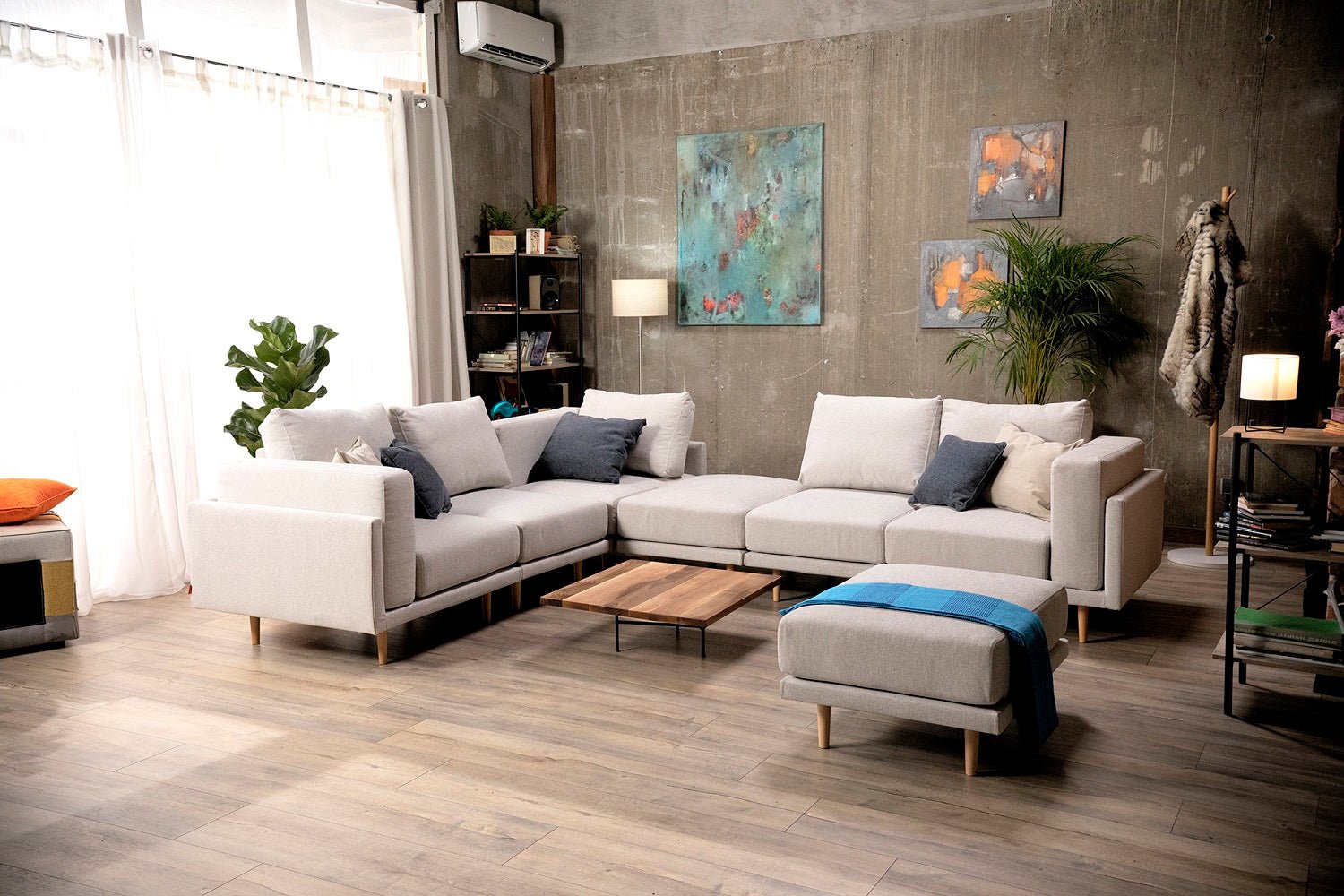
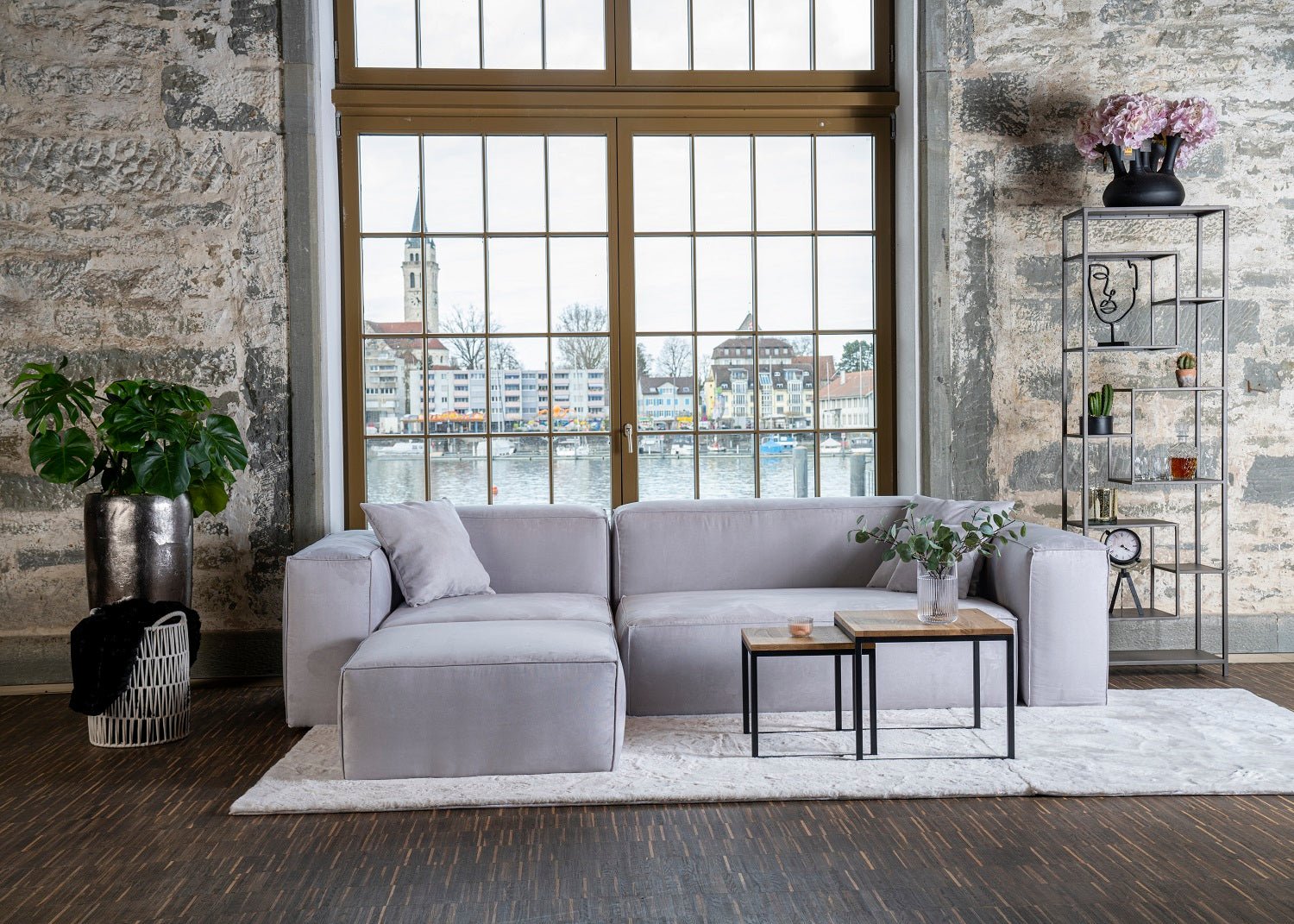
When choosing furniture, sofas , rugs , and other home accessories, it's advisable to favor low-emission materials. Solid wood or recycled materials are good alternatives to furniture made of chipboard or other wood-based materials. When it comes to rugs, you should use natural fibers like wool or cotton.
All our sofas are made from FSC-certified sustainable wood. Therefore, you can be sure that no prohibited substances (carcinogenic dyes) or other harmful materials are used.
It's also important to look for paints and varnishes with low levels of harmful substances. These can help reduce indoor air pollution caused by volatile organic compounds (VOCs). When purchasing paints and varnishes, look for environmental labels such as the "Blue Angel" or EU Ecolabel.
Regular cleaning and ventilation
Regular cleaning of the living room and sofa is essential to remove pollutants, dust, and allergens. Vacuum carpets and upholstered furniture regularly, wipe down surfaces, and ventilate the room regularly to let in fresh air. By adopting these simple measures, you can improve indoor air quality and reduce pollutants.
In addition to cleaning, you should also ensure good humidity in the living room. Overly dry room air can lead to increased dust levels. If necessary, use a humidifier to maintain a comfortable humidity level.
Using air purifiers and plants
Air purifiers can be an effective way to reduce indoor air pollutants. Choose an air purifier with a HEPA filter, which filters particles such as dust, allergens, and pollutants from the air. When choosing, also pay attention to the CADR (Clean Air Delivery Rate) value, which indicates how effectively the air purifier removes pollutants from the air.
Furthermore, houseplants are a natural and beautiful way to improve air quality, as they absorb pollutants and produce oxygen-rich air. Some plants that are particularly effective at filtering pollutants include aloe vera, hemp, and ivy. Place these plants in your living room and enjoy not only the green atmosphere but also improved indoor air quality.
Professional help for the removal of pollutants
Sometimes, you may need to seek professional help to completely remove pollutants. This is especially true if you suspect your living room is contaminated with dangerous pollutants, such as asbestos or mold. Be sure to hire a qualified professional who has the expertise and equipment needed to safely address the problem.
When is a specialist needed?
It's a good idea to consult a professional whenever there's a potential health risk or if you have any questions about how to manage hazardous pollutants. Especially when dealing with asbestos, mold, or other toxic substances, it's a good idea to consult a specialist to eliminate the hazard and protect your health.
Selecting a suitable specialist
If you need to hire a professional to clean contaminants in your living room, make sure you choose someone with experience and expertise. Check references, certifications, and qualifications to ensure you're working with someone you can trust.
Summary and final considerations
Avoiding pollutants in the living room is an important step towards improving our health and quality of life. By focusing on low-polluting materials, cleaning and ventilating regularly, using air purifiers and systems, and seeking professional help when necessary, we can minimize pollution. Remember that your health is the most important thing, and it's worth investing time and effort into creating a healthy home environment.
There are several low-polluting materials you can use for your living room. Wood and natural fibers like cotton and linen are good options because they generally don't contain harmful chemicals. When purchasing new furniture or rugs, make sure they've been treated with environmentally friendly paints and varnishes.
Regular cleaning and ventilation are also important measures to minimize pollution in the living room. Dust and dirt can contain pollutants, so it's important to vacuum and clean surfaces regularly. Also, open windows regularly to let in fresh air and improve air circulation.
Air purifiers and plants can also help improve the air quality in your living room. Air purifiers filter pollutants from the air and ensure clean, healthy air. Plants can absorb pollutants and improve air quality. Choose plants such as hemp, ivy, or rubber trees, known for their pollutant-reducing properties.
If, despite all precautionary measures, you still experience air pollution in your living room, it's advisable to seek professional help. An expert can inspect your home environment and identify potential sources of pollutants. They can also help you find solutions to reduce pollution and create a healthy living environment.
Remember that your health is the most important thing, and it's worth investing time and effort into creating a healthy home environment. By focusing on low-polluting materials, cleaning and ventilating regularly, using air purifiers and systems, and seeking professional help when necessary, you can minimize pollution in your living room and improve your health and quality of life.
So don't hesitate any longer and start making your living environment pollution-free today. Your health will thank you!