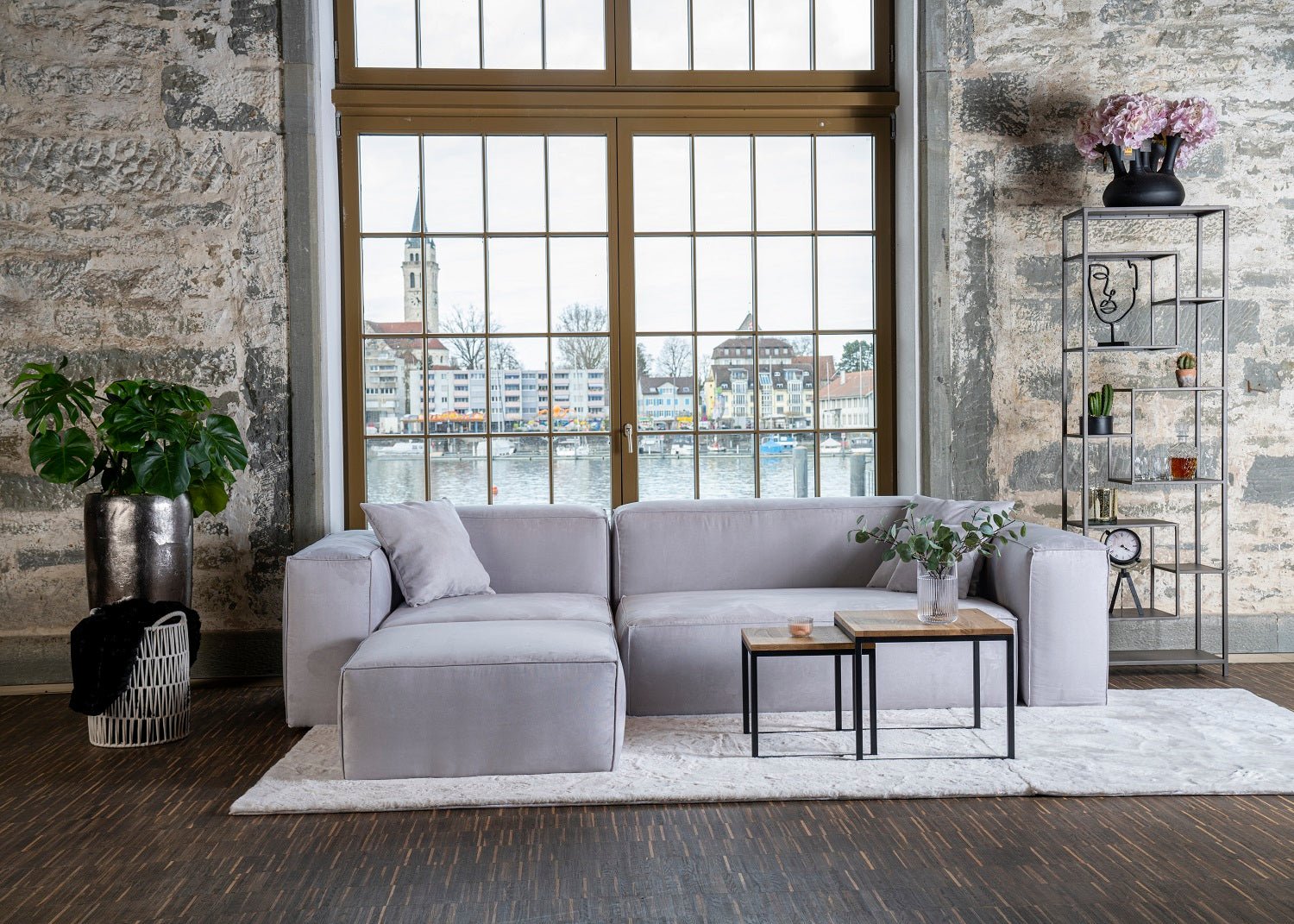
Have you decided to renovate your living room and are looking for new ideas to give it a fresh, modern touch? Choosing the right wall color plays a crucial role. In this article, we'll present ideas, trends, and tips to help you design your living room wall.
Why is the color of the living room walls so important?
The color of the walls has a significant impact on the atmosphere and mood of a room. In the living room, it's especially important to choose a color that encourages relaxation while also reflecting your personal style.
When it comes to decorating a living room, wall color plays a crucial role. It can transform the room from a simple space to an inviting and welcoming haven. Choosing the right color can influence the overall aesthetic and atmosphere of the room.
The color of your living room walls should not only be aesthetically pleasing, but also support the room's function. Depending on how you use your living room, you can choose different colors to create the atmosphere you desire. For example, if you like to relax and unwind, soothing colors like blue or green are a good choice. If you prefer a lively and energetic atmosphere, you can opt for warm colors like red or orange. When choosing a color, you should also make sure it matches the rest of the furniture, such as sofas , coffee tables , or other decorations.
The psychological effect of colors
Colors have a direct influence on our feelings and emotions. For example, warm colors like red or orange can create a welcoming and inviting atmosphere, while cooler colors like blue or green can have a calming effect.
The psychological effect of colors has long been studied and used. It's well known that certain colors can evoke certain emotions. Red is often associated with energy and passion, while blue represents calm and serenity. Yellow can convey joy and optimism, while green can have a calming and refreshing effect.
When choosing the color of your living room walls, it's important to consider your desired mood and atmosphere. Do you want to create a space that invites you to relax and unwind? Then soft, soothing colors like pastel blue or lavender might be the right choice. On the other hand, if you want to create a room that radiates energy and vitality, you can opt for bolder colors like sunny yellow or bright red.
How colors influence the perception of space
Your choice of wall color can also influence your perception of space. Light colors make a room seem larger and more open, while darker colors can create a more welcoming and intimate atmosphere. It's therefore important to consider the size and shape of the room when choosing wall colors.
If you have a small living room, you can visually enlarge the space with light colors like white or pastels. The reflective properties of these colors allow light to be better distributed throughout the room, making it appear more airy and spacious. If, on the other hand, you have a large living room and want to create a more welcoming atmosphere, you can opt for darker colors like dark gray or brown. These colors absorb light and make the room seem more intimate and inviting.
The perception of space can also be influenced by the use of color schemes. By combining different colors on the walls, you can highlight certain areas of the room or visually connect them. For example, you can create an eye-catching element by painting a wall a bold color, or define different areas of the room by using contrasting colors.
Top 10 living room wall color ideas
Classic color choices
If you prefer an elegant and timeless look, classic colors like beige, gray, or white are a good choice. These neutrals provide a versatile base that can easily be combined with different furniture and decorations.
Beige is a warm and relaxing color that gives your living room a welcoming atmosphere. It's an excellent choice for rooms where you want to relax and unwind. Gray, on the other hand, is a versatile color that, depending on the shade, can appear fresh and modern or warm and inviting. White is a timeless and elegant color that gives your living room a bright and airy feel. To accentuate the light colors of the walls, a sofa in a lightweight fabric, such as Cord Nata , dove gray, or truffle, is perfect.
Bold and modern color ideas
For a vibrant and individual look, you can choose strong colors like yellow, red, or blue. These colors give your living room a modern and fresh look and offer a striking contrast with neutral furniture and accessories.
Yellow is a cheerful and energetic color that gives your living room a sunny and inviting atmosphere. It's an excellent choice for brightening a room and creating a positive vibe. Red, on the other hand, is a passionate and powerful color that gives your living room a warm and inviting atmosphere. It can be used as an accent color to highlight certain areas or as a wall color for a dramatic effect. Blue is a calming and relaxing color that gives your living room a calm and peaceful atmosphere. It's the ideal choice for rooms where you want to relax and unwind.
Current trends in wall color design
Natural and earth tones
A current trend in living room wall color design is natural, earthy tones like brown, green, or terracotta. These colors create a warm, welcoming atmosphere and make the room feel close to nature.
Brown wall color schemes can include a variety of shades, from pale beige to rich chocolate brown. This color lends a certain elegance to the room and pairs well with a rustic or classic interior style.

Green, on the other hand, symbolizes nature and brings freshness to a room. There are different shades of green that can be used for wall color design, such as a soft mint green or a deep forest green. This color has a calming effect and can create a relaxed atmosphere.

Terracotta is a warm, earthy red-brown color reminiscent of Mediterranean landscapes. It gives a room a rustic, welcoming feel. Terracotta shades pair well with neutral colors like cream or gray for a harmonious overall impression.
Mystical Black
It certainly takes a bit of courage to choose black as a wall color. But those who take the risk will be rewarded. Even a single wall can give a room a completely new atmosphere. In the living room, this deep color serves several functions: the calming non-color allows the eyes to relax, provides a neutral base for colors and patterns of all kinds, and gives the room a modern touch. Soft fabrics, like pink, provide a ray of light in the darkness. Black exudes self-confidence and can simultaneously create intimacy. Dark tones make the walls seem closer and envelop us like a warm blanket.
Bright and strong colors
On the other hand, bright and bold colors like pink, turquoise, or purple are also trending. These colors give your living room a vibrant, energetic feel and create interesting accents.
Pink is a bold, eye-catching color that instantly turns a room into a real eye-catcher. It can be used as a wall paint to create a room with personality and individuality. Pink pairs well with neutral colors like white or gray to create a balanced contrast.
Turquoise is a refreshing and vibrant color reminiscent of tropical waters. It can lend a room a sense of lightness and create a relaxed atmosphere. Turquoise pairs well with other shades of blue or white to create a maritime feel.
Purple is an elegant and mysterious color that adds depth to a room. There are many shades of purple, from pale lavender to intense eggplant. Purple pairs well with other colors like gray or beige to create a harmonious overall impression.
Choosing the right wall color plays a crucial role in designing your living room. Whether you prefer natural, earthy tones or bright, bold colors, the most important thing is that the colors match your personal style and the atmosphere you desire. Be creative and design your living room exactly as you imagine it!
Practical tips for choosing the right wall color
Considering the light and size of the room
Before choosing your wall color, you should consider the natural lighting in your living room. Light colors reflect light and make the room appear larger, while dark colors absorb light and make the room feel more welcoming.
The lighting in a room can vary depending on the time of day and weather conditions. If your living room receives plenty of natural light, you can also consider brighter colors to make the space more vibrant and energetic. However, if your living room is rather dark, you should choose lighter shades to brighten the room and create a more welcoming atmosphere.
The size of the room also plays an important role in choosing wall colors. For a smaller room, light colors can help visually enlarge the space and create an airy feel. For larger rooms, darker colors can create a more welcoming and intimate atmosphere.
Coordinate the color of the walls with the furniture and decorations
It's important to match the wall color to your furniture and decor. Choose colors that complement existing colors and create a harmonious overall effect. Test several color swatches on the wall to make sure the color matches your living room.
For example, if you have a neutral color palette for your furniture, you can use a bolder color for the walls to add accents and give the room more personality. However, if your furniture already has bright colors, you should choose a wall color that complements those colors rather than competing with them.

Don't forget that the wall color should also match the room's decorations, such as pillows or rugs . For example, if you have artwork on the walls, choose a wall color that will accentuate the artwork's colors and make it the focal point of the room.
How to apply wall paint in the living room yourself
Preparing the walls
Before applying wall paint, it's important to thoroughly prepare the walls. Remove any old wallpaper or layers of paint, thoroughly clean the surface, and repair any cracks or irregularities.
It's recommended to prime the walls before painting to ensure better paint adhesion. A primer ensures a uniform surface and prevents uneven paint application. Choose a primer that matches your wall texture and desired color.
Application techniques for a professional look
For a professional result, you can use different application techniques. Use a roller for straight surfaces and a brush for corners and edges. Apply the paint with even, controlled strokes and let it dry thoroughly.
If you want to achieve a decorative effect, you can also use different techniques such as sponge, dabbing, or rubbing. These techniques give your wall an interesting pattern or texture and give your living room a unique look.
It's also important to apply the right amount of paint. Too little paint can lead to uneven results, while too much paint can cause drips and messy edges. Make sure to distribute the paint evenly and wipe off any excess for a clean finish.
After applying the first coat of paint, let it dry thoroughly before applying a second coat. A second coat ensures better color coverage and a more uniform appearance.
Use these tips to give your living room a new look and create a space that reflects your personal style. Experiment with different colors and techniques and have fun designing your living room!