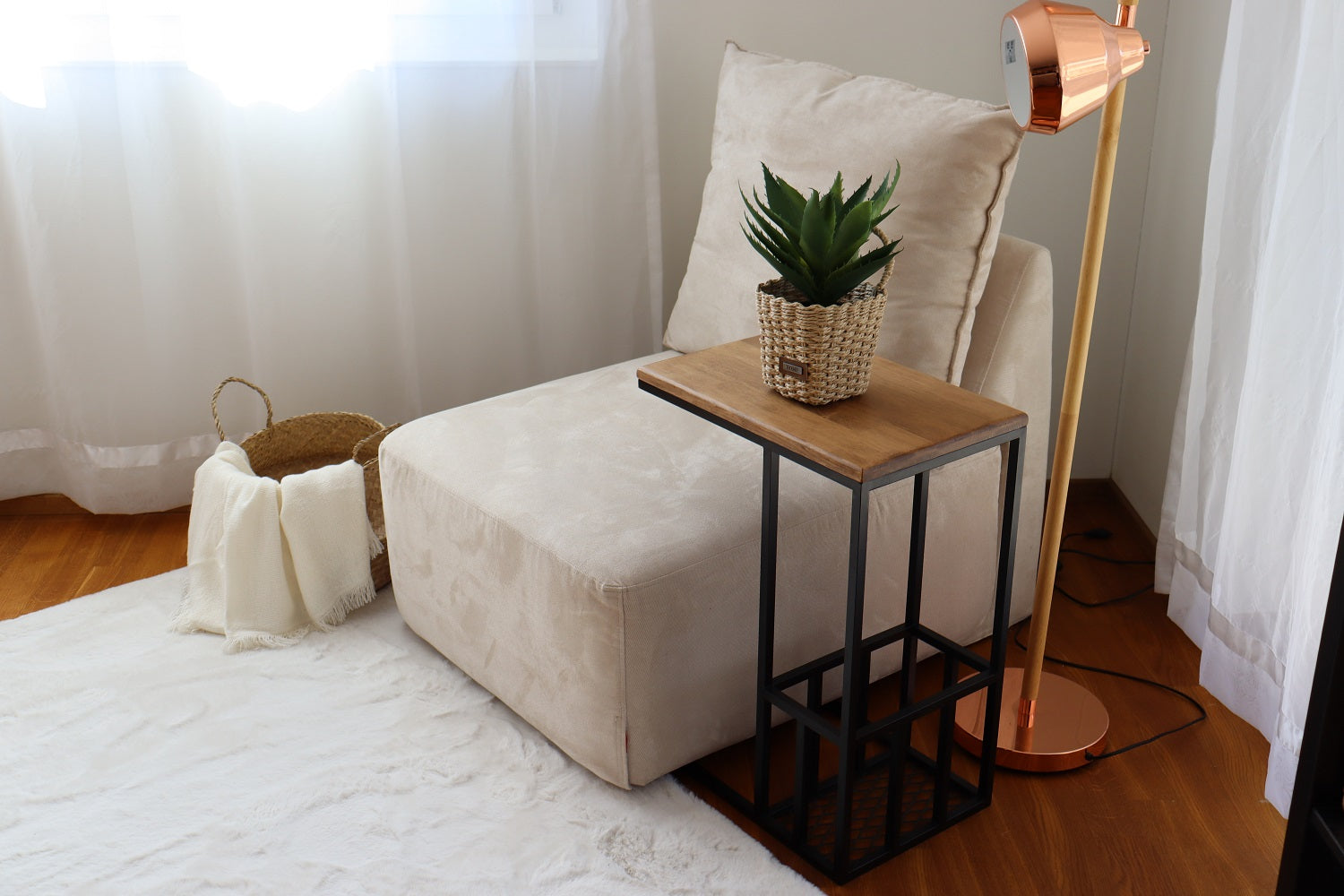
A sofa is an investment that often lasts for many years. You want to make sure it's not only comfortable but also long-lasting. But how long can you really expect a sofa to last?
The lifespan of a sofa: factors that influence it
The lifespan of a sofa depends on several factors that you should consider before deciding to purchase it.
But before delving into these factors, let's take a quick look at the history of the sofa. The sofa, also known as a divan or upholstered piece of furniture, has a long tradition dating back to ancient Egypt. Back then, sofas were made of stone or wood and covered with animal skins for comfort. Over time, sofas have evolved into the comfortable and elegant pieces we know and love today.
Material and quality of the sofa
A high-quality sofa made of sturdy materials like genuine leather or sturdy fabric is usually more durable than one made of inferior materials. Pay attention to the stitching, padding, and overall finish to ensure the sofa is well-made.
Interestingly, the choice of material can also have an impact on the environment. A sofa made from recycled or sustainably sourced materials can be a more environmentally friendly option.

Frequency and type of use
The frequency and intensity of use of a sofa can also affect its lifespan. A sofa used daily by a family with children will suffer more wear and tear than one used only occasionally.
However, there are ways to maximize the life of a sofa. For example, placing blankets or throws on the sofa can help protect it from wear and stains. Regularly rotating the cushions can also help distribute wear and tear evenly.
Sofa care and maintenance
Proper care and maintenance of your sofa can significantly extend its lifespan. Regular vacuuming and mopping, stain removal, and rotating the cushions can help keep your sofa in good condition.
It's also important to follow the manufacturer's instructions for cleaning and caring for your sofa. Different materials may require different cleaning and care to maintain their quality and durability.
Another tip for caring for your sofa is to avoid direct sunlight. UV rays can fade the material and weaken its structure.
By considering these factors and caring for your sofa accordingly, you can maximize its lifespan and enjoy your cozy retreat for longer.
How to extend the life of a sofa
To ensure your sofa lasts as long as possible, you can follow a few steps:
Proper cleaning and care
Keep your sofa clean by vacuuming regularly and quickly removing stains. Also use special cleaning products suited to the material of your sofa.
Cleaning your sofa regularly is essential to prolonging its lifespan. Dust and dirt can accumulate in the fabric and affect the appearance of the sofa. Regular vacuuming can remove these deposits and keep the sofa fresh and clean.
In addition to cleaning, you should also make sure to remove stains quickly. Spills or stains can penetrate the fabric and be difficult to remove if not treated immediately. Use specific cleaning products suited to your sofa's material to effectively remove stains and preserve the sofa's appearance.
Professional repair and restoration
If your sofa has visible damage or the upholstery is worn, professional repair or restoration can prolong its life. Find a qualified upholsterer or furniture restorer who can restore your sofa to its original condition.
Over time, your sofa may be subject to wear and tear. The upholstery can wear out due to frequent use and stress, and visible damage such as tears or holes may occur. In these cases, professional repair or restoration may be the best solution to prolong the life of your sofa. Some suppliers offer reordering of individual parts, so you don't have to buy a new sofa. For our Livom sofas, in addition to spare parts and replaceable covers, you can also order replacement covers. This will help your sofa last even longer.
A qualified upholsterer or furniture restorer can thoroughly inspect your sofa and make any necessary repairs. This may include replacing the upholstery, repairing tears, or replacing damaged parts. Professional restoration can restore your sofa to its original condition and extend its lifespan.
Protection from pets and children
Pets and children can put a strain on your sofa. Use protective covers or special slipcovers to protect your sofa from dirt and scratches. Be sure to keep pets away from the sofa , if possible.
Pets and children can put a strain on your sofa, causing it to become dirty or damaged. To protect your sofa from scratches, stains, and other damage, you can use protective covers or special upholstery covers. These covers provide an extra layer of protection for the sofa and are easily removed and cleaned. Furthermore, sofas with washable and replaceable covers are ideal if you have children or pets. You can always throw them in the washing machine if they're stained or dirty. If a cover is damaged, you can simply replace it.

If possible, you should also ensure that pets are kept away from the sofa. This can be achieved by training them or setting up a separate area for them. By protecting the sofa from pets and children, you can prolong its life and ensure it stays in good condition.
Signs that a sofa needs replacing
Even if your sofa is well cared for, sooner or later it will reach the point where it needs to be replaced. Here are some signs:
Visible damage and wear
If your sofa has visible damage such as tears, holes, or badly worn upholstery, it might be time to get a new one.
It's important not to ignore visible damage to your sofa. Cracks and holes can not only look unsightly, but can also cause further damage. For example, if the sofa has cracks, the interior padding could shift and become uneven, making it uncomfortable to sit on.
Upholstery wear is also a clear sign that the sofa needs replacing. If the padding is worn and no longer provides support, it can cause back and neck pain. A new sofa with quality upholstery can provide the comfort and support you need.
Find the new sofa of your dreams with washable and replaceable covers:
Discomfort and lack of comfort
A sofa should still be comfortable. If the upholstery is worn out and no longer provides support, it might be time to buy a new one.
An uncomfortable sofa can lead to a variety of problems. It can cause back and neck pain and even affect the quality of your sleep if you sleep on it. A new sofa with quality upholstery and an ergonomic design can provide the comfort and support you need to relax and rest.
Additionally, a new sofa can also offer new features that can enhance your comfort experience. For example, some sofas may have adjustable backrests or footrests that allow you to adjust the seating position to your needs.
Outdated style and design
A change in living style can also be a reason to replace a sofa. If the sofa's design no longer fits with the rest of the room, a new one can freshen it up.
Home style evolves over time, and it's important that your sofa stays in step with current trends and your personal taste. If your sofa's design is outdated or no longer fits your current decor, a new sofa can enhance the room and create a fresh atmosphere.
A new sofa also offers the opportunity to change and renew the room's design. You can choose a sofa that serves as a focal point or a statement piece to add a personal touch to the room.
Cost-benefit analysis: when is it worth making a repair?
Before deciding to buy a new sofa, it is worth carrying out a cost-benefit analysis:
If you're unsure whether a new sofa is worth buying, you should first compare the cost of purchasing a new one with the cost of repairing it. Sometimes, repairs can be much cheaper than buying a new one, especially if the sofa is in good condition.
However, there are other things to consider. Consider whether you can sell your old sofa if you decide to buy a new one . Resale value can help reduce the cost of purchasing a new sofa. You may find a buyer who wants the old sofa and is willing to pay a reasonable price for it. Find some tips on selling your old sofa here .
You should also consider the environmental impact of purchasing and disposing of a sofa. Buying a new sofa means using raw materials and energy for production. Disposing of an old sofa can also be a challenge, as it may not be easy to dispose of. Therefore, repairing it can not only be more economical, but also more environmentally friendly.
There are several ways to repair a sofa. You could repair it yourself if you're handy and have the necessary tools. Alternatively, you can hire a professional upholsterer to properly repair the sofa. In many cases, repair is a good option to extend the life of your sofa and save money at the same time.
It's important to carefully weigh the pros and cons of repairs before making a decision. Sometimes it's better to buy a new sofa, especially if the old one is severely damaged or no longer meets your needs. In other cases, repairs may be the best option to save costs and reduce environmental impact.
Conclusion: How long does a sofa really last?
The lifespan of a sofa can depend on many factors, but generally speaking, a well-maintained, high-quality sofa can last for many years. By properly cleaning, caring for, and repairing it if necessary, you can maximize the lifespan of your sofa. However, if visible damage occurs, the sofa becomes uncomfortable, or the style becomes outdated, it may be time to consider purchasing a new one. Conduct a cost-benefit analysis and consider the environmental impact to make the right decision for you.
A sofa isn't just a piece of furniture, but a place of relaxation and comfort. It's the perfect place to unwind and relax after a long day at work. But how long can you really enjoy your beloved sofa?
The lifespan of a sofa depends on several factors. First and foremost, quality plays a crucial role. A high-quality sofa made from sturdy materials is more likely to last longer. When purchasing a sofa, it's important to pay attention to the workmanship and materials used.
Sofa care is also very important. Regular cleaning and care can help your sofa last longer. Dust and dirt can accumulate over time and damage the material. It's therefore advisable to vacuum your sofa regularly and treat any stains immediately.
Another factor that can affect the lifespan of a sofa is usage. If the sofa is regularly subjected to heavy use, such as by children or pets, it can wear out more quickly. In these cases, it's important to adequately protect the sofa, for example by using protective covers or choosing a sofa with washable and replaceable covers .
However, sometimes unexpected damage can occur that shortens the lifespan of your sofa. Accidental spills or accidents with sharp objects can damage the material. In these cases, it's advisable to have the sofa repaired to prolong its lifespan.
It's also important to consider the style of the sofa. Trends and tastes change over time. What's modern today may seem outdated tomorrow. If the sofa no longer fits with the rest of your decor or simply no longer meets your personal expectations, it might be time to consider purchasing a new one. That's why we recommend sofas with interchangeable covers . These have the advantage of allowing you to update the color to the latest trends at any time thanks to replacement covers, thus avoiding the need to buy a new sofa, which in turn is very sustainable.

When deciding to purchase a new sofa, it's advisable to conduct a cost-benefit analysis. A high-quality sofa can be a worthwhile long-term investment. However, it's also important to consider the environmental impact. Furniture production can be resource-intensive and produce a large amount of waste. Therefore, it makes sense to consider sustainable options, such as sofas made from recycled materials or durable, repairable furniture.
Overall, a high-quality, well-maintained sofa can last for many years. Regular cleaning, maintenance, and repairs, if necessary, can maximize the lifespan of your sofa. However, consider the environmental impact and conduct a cost-benefit analysis to make the right decision for you. A sofa isn't just a piece of furniture, but a place of relaxation and comfort that can last you for many years.