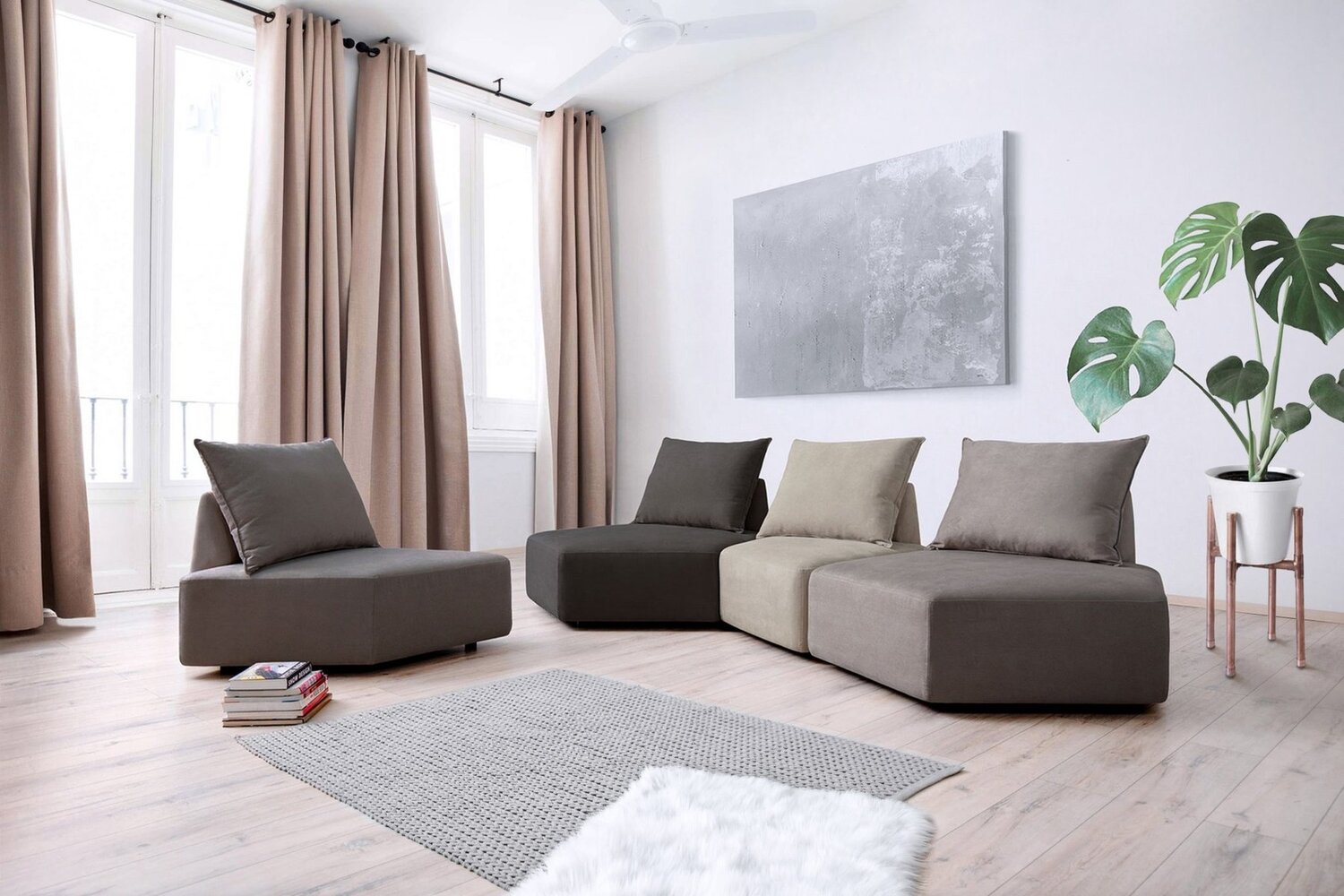
In this article, we'll explore which sofa color suits your flooring. Choosing the right sofa color can have a significant impact on the overall look of your living space. Color choice influences the atmosphere of a room and can make a huge difference in whether you feel comfortable or not in your home. We'll then explore the importance of choosing a sofa color, the different types of flooring and matching sofa colors, as well as tips for choosing the right sofa color. We'll also explore common mistakes when choosing a sofa color. Finally, we'll come to a conclusion on how to find the perfect sofa color for your flooring.
The importance of choosing a color for your sofa
The color choice for your sofa can significantly influence the mood and atmosphere of your living space. Colors have a huge psychological impact and can evoke different emotions. Did you know, for example, that warm colors like red, orange, or yellow can create a stimulating and energetic atmosphere? Cool colors like blue, green, or purple, on the other hand, create a calming and relaxing effect. Choosing the right color for your sofa therefore depends on the atmosphere you want in your living space.
How colors influence the atmosphere of a room
Color schemes can take your home in different directions. For example, if you want to create a welcoming and relaxing space, you can opt for earthy tones like brown or beige. These colors radiate warmth and comfort. Or perhaps you want a space full of energy and liveliness? Then bold colors like red or orange are the right choice. Color choice can also influence the size of your room. Dark colors often make a room appear smaller, while light and neutral colors make it appear larger.

The psychology of colors
Each color has its own psychological effect. For example, red symbolizes passion and energy, while blue radiates calm and peace. Yellow represents happiness and optimism, while green is associated with nature and relaxation. Understanding the effect of colors will help you decide which sofa color best complements your flooring and the atmosphere you want to create in your living space.
Did you know that the color blue is also associated with creativity and inspiration? Choosing a sofa in a cool shade of blue could help you feel more creative and productive in your living space. Blue can also have a calming effect on the mind and reduce stress. So, when you come home after a long day at work and want to relax, a blue sofa might be just the thing for you.
Another interesting fact is that the color green is also associated with health and well-being. Green sofas can create a refreshing and invigorating atmosphere in your living space. The color green is often associated with nature and can therefore convey a sense of calm and balance. So, if you want to create a place to relax and unwind, a green sofa could be the perfect choice.
Choosing the color for your sofa isn't just a matter of personal taste; it can also have a significant impact on your mood, mental state, and health. So take the time to explore the different color options and choose a shade that suits you and your living space. Remember that colors speak a language, and your sofa can tell a story, so choose wisely! It's best to order free fabric samples to find the right covering for your floor.
Different types of flooring and matching sofa colors
Choosing the right sofa color also depends on the type of flooring in your living room. Here, we'll examine three common types of flooring: wood, tile, and carpet. Each type has its own characteristics and therefore requires careful selection of the sofa color.
Wooden floors and matching sofa colors
For wooden floors, the color of the sofa should match the natural tones of the wood. If you have a warm red wooden floor, you can create a harmonious contrast with a dark brown sofa. If you have lighter wooden floors, you can also choose a lighter sofa color like beige or cream. Natural colors complement the wooden floor and create an overall organic effect.
Another aspect to consider when choosing a sofa color for wood floors is the type of wood. Different types of wood have different shades and textures. A dark mahogany pairs well with a dark brown or black sofa, while a lighter oak pairs well with a lighter-colored sofa like beige or gray.

Tile floors and matching sofa colors
With tiled floors, it's important to consider the color of the tiles. For example, if you have white tiles, you can add an interesting accent with a patterned or colorful sofa. For darker tiles, you can use the sofa's lighter colors to create contrast. The goal is to achieve a balanced and harmonious look that complements the tiled floor.
Another factor to consider when choosing a sofa color for tile floors is the tile style. Are they traditional tiles with a vintage look or modern tiles with a minimalist design? Depending on your style, you can customize the sofa color to create a cohesive aesthetic.
Coordinated rugs and sofa colors
Rugs give you more freedom in choosing the color of your sofa. It's important that the sofa's color contrasts with the rug to highlight the sofa as the focal point of the room. For example, if you have a dark rug, you can choose a lighter sofa color to create an interesting and vibrant look. Likewise, if you have a light rug, you can choose a bolder sofa color to draw attention.
Another factor to consider when choosing a sofa color for your rug is the texture of the rug. Is it a soft, long-pile rug or a smooth, short-pile rug? Depending on the texture, you can choose the sofa color to create visual and tactile harmony.
Color palettes and their effect
In addition to considering sofa colors and flooring types individually, you can also use color palettes to influence the look of your living space. Color palettes are combinations of colors that harmonize well with each other and can create a certain atmosphere.
Choosing the right color palette is crucial to the atmosphere you want to create in your living space. You can choose between warm and cool color palettes.
Warm color palettes and their effect
Warm color palettes consist of colors like red, orange, brown, and yellow. These colors radiate warmth, intimacy, and liveliness. If you want to create a warm and welcoming atmosphere in your living space, you can use a warm color palette. You should ensure that the color of the sofa matches the warm tones of the floor to create a harmonious overall impression.
An example of a warm color palette could be a combination of a sand-colored sofa , a red-toned rug , and brown wooden furniture. These colors complement each other perfectly and create an inviting and comfortable atmosphere.
Cool color palettes and their effect
Cool color palettes consist of colors like blue, green, and purple. These colors convey a calm, relaxing, and refreshing effect. If you want to create a cool and relaxing atmosphere in your living space, you can use a cool color palette. In this case, it's important that the color of the sofa matches the cool tones of the floor to create a harmonious overall picture.
An example of a cool color palette might be a combination of a blue sofa , a green rug , and white furniture. These colors radiate freshness and calm and create a pleasant atmosphere.
When choosing a color palette, it's also important to consider the size and brightness of the room. In small rooms, light color palettes can be used to visually enlarge the space. In larger rooms, bolder colors can be used to create a welcoming and inviting atmosphere.
Experiment with different color palettes and find the one that best suits your living space and personal taste. With the right color choice, you can significantly influence the mood and atmosphere of your living space.
Tips for choosing the right sofa color
When choosing a sofa color, you should consider several factors to ensure it matches your flooring and creates the desired atmosphere in your living space.
Considering the size of the room
The size of the room plays an important role in choosing the color of the sofa. In small rooms, you should choose light or neutral colors to make the room appear brighter and larger. In larger rooms, you can also use darker colors to create a more welcoming atmosphere.
Considering lighting conditions
The lighting in your living room can influence the color of the sofa. If you have plenty of natural light, you can opt for brighter colors because they pop well. In rooms with low light, you should choose lighter colors to brighten the room.
Consideration of personal taste
Finally, it's important to consider your personal taste when choosing a sofa color. Your sofa should reflect your style and individual preferences. Choose a color you like and feel comfortable with. After all, you'll spend a lot of time on the sofa, and it should be a place where you can relax and feel comfortable.
Choosing the right sofa color isn't just a matter of style, but also of functionality. The sofa is often the centerpiece of a living room and should therefore be chosen carefully. When choosing a color, you should also consider how easy it is to clean. Light colors can show stains more easily, while darker colors can hide them better. If you have small children or pets, you might want to choose a stain-resistant and easy-to-clean color. If you can't decide on a color, a sofa with washable and replaceable covers is a good choice. This way, you can change the color at any time and throw the cover in the washing machine if it gets dirty.

Another important aspect when choosing a sofa color is how it matches the other furniture and accessories in the room. If you already have other furniture, make sure the sofa color matches them. You can choose a similar color to create a harmonious look or a contrasting color to add an interesting accent. Also consider how the sofa color harmonizes with the colors of the walls and flooring.
Fabric quality is also an important factor in choosing the color of your sofa. Different fabrics have different properties and can look different. Choose a fabric that is durable and fits well with your lifestyle. If you have pets, you may want to choose a more durable fabric that is scratch and stain resistant. For pets, we recommend Velour , Velvet , or Cord fabrics. If you have sensitive skin, you should choose a comfortable and scratch-resistant fabric, such as Mollia or Cord.
Ultimately, choosing a sofa color should be a thoughtful decision. Take the time to explore different options and consider how they fit your lifestyle and needs. Order free fabric swatches to compare colors and find the perfect fit. A sofa is an investment that should last for years to come, so it's important to choose the right color that you like and that complements your home.
Find the sofa of your dreams with washable and interchangeable covers:
Common mistakes when choosing the color of the sofa
When choosing a sofa color, there are some common mistakes that should be avoided to create a harmonious overall picture.
A sofa is a central element in any living room. It's not just a place to sit and relax, but also a design element that influences the style and atmosphere of the room. Therefore, choosing the right color for your sofa is important.
Too many colors in the room
One of the most common mistakes is using too many colors in a room, which can lead to a busy and cluttered look. Try choosing a color palette and limiting yourself to just a few tones to create a harmonious overall look.
A good approach is to choose a primary color for the sofa and then use accent colors to add interesting accents. This way, the sofa becomes the focal point of the room without being too intrusive.
Ignore color harmony
Color harmony is important for creating a harmonious overall picture. Choose colors that harmonize well and complement each other. Make sure the sofa color matches the floor and other elements in the room, such as curtains, rugs , or wall colors.
A good tip is to coordinate the colors in the room using a color palette. Choose a primary color for the sofa, then select additional colors from the same color family or group for the other elements in the room. This creates a harmonious overall look that ties the room together.
Leaving aside the color of the floor
The color of the floor has a significant impact on the color of the sofa. Make sure the color of the sofa matches the natural tones of the floor. The harmonious interaction between the floor and the sofa creates a pleasant overall effect in the room.
For example, if the floor is dark wood, a sofa in a warm color like brown or beige can match well. However, if the floor is light, a sofa in a bold color like blue or green can create an interesting contrast.
Remember that the sofa's color shouldn't be viewed in isolation, but rather in the context of the entire room. Take the time to experiment with different color combinations and pay attention to the effect they create. With the right color choice, you can create a harmonious and attractive living room.
Conclusion: Find the perfect sofa color for your floor
Choosing the right sofa color is crucial to the overall effect of your living space. Color choices influence the mood of the room and can range from warm and welcoming tones to cool and relaxing atmospheres. The decision also depends on the type of flooring. You should choose natural colors for wood floors, pay attention to tile colors for tiled floors, and use contrasting colors for carpeted floors. Also consider lighting conditions, the size of the room, and your personal taste. Avoid common mistakes such as using too many colors in the room, neglecting color harmony, and ignoring the floor shade. With these tips, you can find the perfect sofa color for your floor and create a harmonious living space where you feel comfortable.
A wooden floor gives your living space a warm and welcoming feel. To find the perfect sofa color for your wooden floor, you should choose natural colors that harmonize well with the wood. Earthy tones like brown, beige, or cream are good choices. They blend perfectly with the natural color palette of the wooden floor and create a harmonious overall effect. However, if you prefer a more modern look, you can also use contrasting colors like dark gray or black to add an interesting accent.
With a tiled floor, it's important to consider the tile colors. You might have a floor with light, neutral tiles or bright, colorful tiles. For a neutral tiled floor, you can choose a wide range of sofa colors. From pastels to bright colors to dark tones, anything is possible. However, if you have an eye-catching tiled floor, you should choose a more subtle sofa color to avoid drawing too much attention to the floor. A neutral color like gray or beige can be a good choice in this case.
Rugs offer you the opportunity to work with contrasts. If you have a light-colored rug, you can choose a darker sofa color to create an interesting contrast. Conversely, if you have a dark rug, you can choose a lighter sofa color to liven up the room. Keep in mind, however, that too much contrast between the rug and the sofa can make the room appear busy. Therefore, make sure the colors still blend harmoniously.
When choosing a sofa color, you should also consider the lighting conditions of your living space. A room with plenty of natural light can tolerate a greater variety of colors, while a room with little natural light tends to lean toward lighter shades. Also consider the size of the room. In small rooms, light sofa colors can make the room feel larger and airier, while darker colors can make it seem smaller.
Beyond practical considerations, you should obviously also consider your personal taste. Choose a sofa color that suits your style and individual preferences. Do you prefer something more classic and timeless? Then neutral colors like gray or beige are a good choice. If you prefer something colorful and vibrant, you can choose strong colors like red or blue. The most important thing is that you feel comfortable in your living space and can express your personality.
To find the perfect sofa color for your flooring, it's important to avoid common mistakes. A common mistake is using too many colors in a room. Keep the room's color palette discreet and add targeted accents. Don't neglect color harmony, either. Make sure the sofa's colors harmonize well with the other colors in the room. Also, don't ignore the earth tone. The flooring is an important part of the room and should be taken into consideration when choosing the sofa color.
With these tips, you can find the perfect sofa color for your floor and create a harmonious living space where you feel comfortable. Take your time to try different colors and let your personal taste guide you. A well-thought-out color concept can make a huge difference in the overall effect of your living space and create a welcoming home.