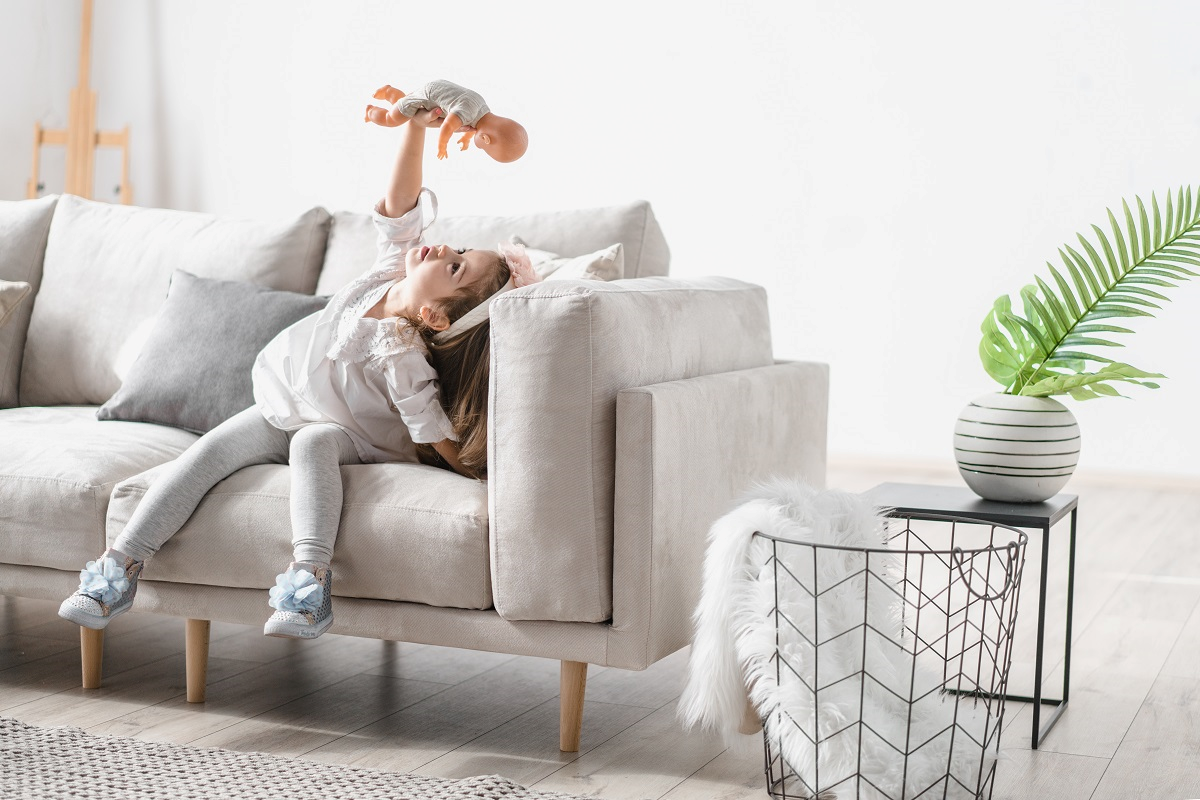
Many people appreciate leather as a material for sofas. But which type of leather is best suited for which sofa, and what are the care and maintenance requirements? In this article, we compare the nine most popular types of leather for sofas and present their advantages and disadvantages.
Introduction to different skin types
Before taking a closer look at individual leather types, let's first give an overview of the different types of leather. These include aniline leather, semi-aniline leather, pigmented leather, nubuck leather, suede, artificial leather, buffalo leather, and suede.
The importance of leather types for sofas
Choosing the right type of leather for a sofa depends on several factors. These include appearance, feel, durability, and care requirements. Each type of leather has its advantages and disadvantages and should therefore be chosen accordingly.
Skin types and their properties
Below we present the individual leather types and explain their properties.
Aniline leather
Aniline leather is an open, unpigmented leather. It is characterized by its natural appearance. It is very breathable and pleasant on the skin. However, it is also very sensitive to stains and scratches.
An aniline leather sofa should therefore only be placed in low-traffic areas. It should also be cared for regularly to keep the leather supple.
Semi-aniline leather
Semi-aniline leather is lightly pigmented. This makes it more resistant to stains and scratches than aniline leather. However, it retains its natural appearance.
A semi-aniline leather sofa is suitable for families with children or pets because it is more durable than aniline leather. However, it should also be cared for regularly to keep the leather supple.
Pigmented skin
Pigmented leather is leather covered with a layer of pigment. This makes it highly resistant to stains and scratches. However, it no longer has the natural look and feel of aniline or semi-aniline leather.
A pigmented leather sofa is suitable for high-traffic areas like living rooms or offices. It's very easy to care for and doesn't require regular maintenance.
Nubuck leather
Nubuck leather is lightly sanded to create a velvety surface. It's very soft and pleasant on the skin. However, it's also very sensitive to stains and scratches.
A nubuck leather sofa should therefore only be placed in rooms with little traffic. It should also be cared for regularly to keep the leather supple.
Chamois
Suede is a leather made from animal hides such as deer or boar. It's very soft and pleasant on the skin. However, it's also very sensitive to stains and scratches.
A suede sofa should therefore only be placed in rooms with little traffic. It should also be cared for regularly to keep the leather supple.
Artificial leather
Faux leather is a leather substitute made of plastic. It is highly resistant to stains and scratches. However, it lacks the natural look and feel of real leather.
A faux leather sofa is suitable for families with children or pets because it's more durable than genuine leather. It's also very easy to care for and doesn't require regular maintenance.
Buffalo skin
Buffalo leather is made from buffalo hide. It is very strong and durable. However, it doesn't have the natural look and feel of aniline or semi-aniline leather.
A buffalo leather sofa is suitable for high-traffic areas like living rooms or offices. It's very easy to care for and doesn't require regular maintenance.
Chamois
Suede is a leather that's been lightly sanded to create a velvety surface. It's very soft and pleasant on the skin. However, it's also very sensitive to stains and scratches.
A suede sofa should therefore only be placed in rooms with little traffic. It should also be cared for regularly to keep the leather supple.
Aniline leather
Aniline leather is characterized by its natural look and feel. It is a thin hide that originally received no surface treatment or only a light surface treatment. This makes it particularly soft and cuddly. However, aniline leather is sensitive to dirt and liquids and requires regular care. Traces of abrasion can quickly become visible even on aniline leather.
Leather is obtained from cattle hides, usually sourced from Europe or South America. Due to its natural appearance, aniline leather is often used for high-quality furniture such as sofas and armchairs. The leather is also used in the fashion industry, for example, for shoes and bags.
The production of aniline leather is complex and requires a great deal of expertise. The leather is dyed in a drum, which means the color penetrates deeply into the hide. This creates the natural look of the leather. Since the leather receives only a light surface treatment, the natural structure of the leather is preserved.
Properties of aniline leather
- natural look
- thin and soft
- sensitive to dirt and liquids
- tends to show traces of abrasion
- breathable
Breathable leather ensures a pleasant seating climate and is therefore particularly popular in summer. However, aniline leather sofas should not be left in direct sunlight, as this can cause the leather to fade.
Advantages and disadvantages of aniline leather sofas
+ natural look
+ soft and cuddly
+ breathable
- sensitive to dirt and liquids
- requires regular care
- tends to show signs of abrasion
- more expensive than sofas in imitation leather or fabric
Despite their disadvantages, aniline leather sofas are highly popular. They are timeless and adapt to any interior style. With proper care, you can enjoy your aniline leather sofa for a long time.
Semi-aniline leather
Semi-aniline leather is a high-quality material obtained from the finest cowhides. It's similar to natural aniline leather, but has undergone a light surface treatment. This makes it more resistant to dirt and liquids, without losing its original appearance. Semi-aniline leather is a good choice for those who prefer soft, natural-looking leather, but also value durability.
The leather is produced through a special tanning process using only natural materials. The surface of the leather is lightly sanded to eliminate irregularities. It is then treated with a thin protective layer that makes it more resistant to dirt and liquids.
Semi-aniline leather is particularly pleasant to the touch and to sit on. Its soft, supple surface makes you feel comfortable. The natural look of the leather gives your sofa a unique and timeless appeal.
Properties of semi-aniline leather
Semi-aniline leather has many properties that make it a popular material for high-quality sofas. The most important features include:
- natural look
- more resistant to dirt and liquids than aniline leather
- not as sensitive to abrasion marks
These properties make semi-aniline leather a good choice for those looking for a durable, high-quality sofa.
Advantages and disadvantages of semi-aniline leather sofas
Semi-aniline leather sofas offer many advantages, but also some disadvantages. Here are the most important advantages and disadvantages in summary:
Advantages
- natural look
- more resistant to dirt and liquids than aniline leather
Disadvantages
- regular care is required
- not as durable as pigmented leather
Despite some drawbacks, semi-aniline leather is a good choice for those seeking a high-quality sofa that's both durable and beautiful. With proper care, you can ensure your semi-aniline leather sofa stays in excellent condition for many years.
Pigmented skin
Pigmented leather is one of the most popular types of leather on the market. It is treated with dyes and a top coat to achieve a uniform surface color. This makes it appear less natural than aniline and semi-aniline leather, but it is more resistant to dirt, liquids, and abrasion. Pigmented leather is a good choice for those who prefer durable and easy-care leather.
Treating pigmented leather offers numerous advantages. It's more resistant to stains and dirt, making it an ideal choice for families with children or pets. It's also less susceptible to wear and tear, meaning it lasts longer than other types of leather.
Another advantage of pigmented leather is that it comes in many different colors. From classic shades like black and brown to vibrant colors like red and blue, there's something for everyone.
Properties of pigmented skin
Pigmented skin has some unique properties that distinguish it from other skin types. Here are some of the main characteristics:
- Resistance to dirt, liquids and abrasion
- Less susceptible to wear
- Available in many different colors
Advantages and disadvantages of pigmented leather sofas
If you're looking to buy a new sofa, pigmented leather is a great choice. Here are some pros and cons of pigmented leather sofas:
Advantages
- Easy to clean and resistant to stains and dirt
- Durable and resistant to wear and abrasion
- Available in many different colors
Disadvantages
- Less natural appearance than aniline and semi-aniline leather
- Less breathable than natural leathers
All in all, pigmented leather is an excellent choice for those who prefer durable and easy-care leather. With its many benefits and wide range of colors, it's a great choice for any home.
Nubuck leather
Nubuck leather is a high-quality leather often used to make sofas and other furniture. It is sanded to create a velvety surface, giving it a unique look and feel. Compared to pigmented leather, nubuck leather is slightly more sensitive, but retains its natural appearance.
Nubuck leather is made from the top layer of hide and is therefore naturally soft and supple. It's a good choice for those who prefer a natural look but also value durability.
If you purchase a nubuck leather sofa, keep in mind that it requires regular care to maintain its beauty and durability. It's more delicate than pigmented leather and therefore requires more attention and care.

Properties of nubuck leather
Nubuck leather has a velvety surface that gives it a unique look and feel. It's naturally soft and cuddly and feels pleasant on the skin. Compared to pigmented leather, nubuck leather is slightly more sensitive, but retains its natural appearance.
Another advantage of nubuck leather is that it's breathable and can absorb and release moisture. This means you stay pleasantly cool and dry even in hot weather.
Advantages and disadvantages of nubuck leather sofas
Nubuck leather sofas offer many advantages, but also some disadvantages that you should consider when choosing a new sofa. The advantages include their natural look and feel, which are more durable than aniline and semi-aniline leathers.
Another advantage of nubuck leather sofas is that they are breathable and can absorb and release moisture. This means you'll stay pleasantly cool and dry even in hot weather.
One disadvantage of nubuck leather sofas is that they require regular care to maintain their beauty and durability. They are more delicate than pigmented leathers and therefore require more attention and care. However, if you are willing to take proper care of your nubuck leather sofa, it will last for many years.
Overall, nubuck leather is an excellent choice for those who prefer a natural look and are looking for durability. With proper care, your nubuck leather sofa will remain beautiful and functional for many years.
Our Livom sofas are also available in nubuck leather. Click here for our leather sofas:
Chamois
Suede is obtained from animals such as deer or cattle. It is characterized by its velvety surface and is considered particularly soft and cuddly. However, suede is sensitive to dirt, liquids, and abrasion.
Properties of suede
Suede is a natural product and therefore has its own unique properties. In addition to its velvety surface, it is particularly soft and cuddly. It adapts perfectly to the body and ensures a comfortable seating experience. However, suede is also more sensitive than other materials. It can quickly absorb stains and dirt and is susceptible to abrasion.
Another advantage of suede is its breathability. Unlike faux leather or other synthetic materials, suede can absorb and release moisture. This means it stays pleasantly cool even in warm temperatures.
Advantages and disadvantages of suede sofas
Suede sofas have their own charm and are a real eye-catcher in many living rooms. They exude comfort and warmth and invite relaxation. Another advantage is their longevity when properly cared for.
However, it's important to be aware of the disadvantages of suede sofas in advance. As mentioned, suede is more delicate than other materials. It can quickly absorb stains and contaminants and is susceptible to abrasion. Therefore, with a suede sofa, you should be especially careful not to spill liquids on it and to clean it regularly.
Another disadvantage of suede sofas is the price. Because it's a high-quality natural product, suede sofas are often more expensive than other sofas made of faux leather or fabric.
Ultimately, choosing a sofa always depends on individual needs and preferences. If you're looking for a particularly soft and cozy sofa and are willing to invest a little more time and effort in its maintenance , a suede sofa may be a good choice.
Artificial leather
Faux leather is a popular material for furniture, clothing, and accessories. It's made from various materials, such as polyurethane or PVC, and is an alternative to natural leather. It's easy to clean, durable, and visually almost indistinguishable from real leather. However, there are some differences between faux leather and real leather that you should be aware of.
Properties of artificial leather
Faux leather has many positive properties. It is easy to clean and resistant to stains and scratches. Unlike real leather, it is less sensitive to moisture and therefore easier to clean. Furthermore, it is visually almost indistinguishable from real leather and is available in many different colors and designs.
However, artificial leather also has some disadvantages. It is less breathable than natural leather, meaning it can sweat more quickly. Furthermore, prolonged use can cause the surface of the artificial leather to peel or discolor.
Advantages and disadvantages of eco-leather sofas
Faux leather sofas are a popular choice for many people. They're easy to clean and resistant to stains and scratches. Furthermore, they're often cheaper than genuine leather sofas while offering a similar look. However, there are also some disadvantages.
As mentioned, faux leather is less breathable than real leather. This means it can sweat more quickly and be uncomfortable to sit on, especially in the summer. The lifespan of faux leather sofas is often shorter than that of real leather sofas. The material may wear out or fade more quickly, making it necessary to replace the sofa more quickly.
Ultimately, whether you choose a faux leather or genuine leather sofa depends on your individual needs and preferences. Both materials have advantages and disadvantages that you should consider before making a decision.
buffalo skin
Buffalo leather is a popular choice for furniture because it has a robust surface and is more abrasion-resistant than other types of leather. However, it is less soft and supple than aniline or semi-aniline leather.
Buffalo leather is made from the hide of the water buffalo. These animals are native to Asia and Africa and are often used as working animals. The hide obtained from their skin is naturally thick and robust, making it the ideal choice for furniture subjected to heavy use.
Buffalo leather is treated during the tanning process to increase its durability and abrasion resistance. It is also less prone to stains and dirt than other types of leather, making it a practical choice for families with children or pets.
Properties of buffalo leather
Buffalo leather has a number of properties that make it a popular choice for furniture:
- Robust surface
- More abrasion resistant than other types of leather
- Less sensitive to stains and dirt
- Practical choice for families with children or pets
However, there are also some disadvantages of buffalo leather that you should consider before choosing furniture made from this material.
Advantages and disadvantages of buffalo leather sofas
Some advantages of buffalo leather sofas are:
- Abrasion resistant
- Long lasting
- Practical choice for families with children or pets
Some disadvantages of buffalo leather sofas are:
- Less soft and elastic than aniline or semi-aniline leather
- It may be more expensive than other leather types
- Requires regular care to maintain its lifespan
Ultimately, choosing leather for furniture depends on personal preference and needs. If you're looking for a sturdy, durable material that's also practical, buffalo leather might be the right choice for you.
Chamois
Suede is a very popular material for clothing, furniture, and accessories. It has a velvety surface and is considered particularly soft and cuddly. However, compared to pigmented leather or buffalo leather, suede is more sensitive to dirt, liquids, and abrasion.
The material is obtained from the underside of animal hides, which is why it's also called suede. It's a natural product, making it particularly breathable and skin-friendly. Suede is often used for high-quality garments such as jackets, coats, and pants because its soft surface makes it very comfortable to wear.
Properties of suede
Suede has some special properties that distinguish it from other types of leather:
- Velvety surface: Sanding the surface creates the characteristic velvety structure of suede.
- Particularly soft and cuddly: Thanks to its fine fiber structure, suede is very soft and cuddly.
- More sensitive to dirt, liquids and abrasion: Due to its fine fiber structure, suede is more sensitive to external influences such as dirt, liquids and abrasion.
Advantages and disadvantages of suede sofas
Suede sofas are a popular choice for living room furniture. Here are some pros and cons of suede sofas:
- Particularly soft and cuddly: suede sofas are very comfortable and welcoming thanks to their soft surface.
- More sensitive to dirt, liquids, and abrasion: As with all suede products, care should be taken with suede sofas to avoid dirt, liquids, and abrasion.
- Elegant Look: Suede sofas have an elegant and luxurious look thanks to their velvety surface.
- Maintenance: Due to their sensitivity, suede sofas require regular care and cleaning.
Overall, suede is a very high-quality and pleasant material, but requires some care due to its sensitivity. However, with proper care and attention, suede products can provide long-lasting pleasure.
Conclusion and recommendations
Choosing the right type of leather for a sofa depends on several factors. If you prefer a natural look and are willing to care for it regularly, aniline or nubuck leather is a good choice. Semi-aniline leather is a good choice for those who value durability but don't want to sacrifice a natural look. Pigmented leather is suitable for those who prefer durable and easy-care leather. Faux leather is an economical alternative to natural leather. Buffalo leather and suede are suitable for those who value abrasion resistance but still want a soft surface.

The best skin types for different needs
- Natural look: aniline leather or nubuck leather
- Resistance: semi-aniline leather, pigmented leather, buffalo leather or suede
- Easy to maintain: pigmented leather or artificial leather
Tips for the care and maintenance of leather sofas
Regardless of the type of leather you choose, a leather sofa should be cared for regularly to maintain its beauty and durability. Here are some tips:
- Use only special skin care products and not conventional household cleaners.
- Do not expose the leather sofa to direct sunlight or heat sources.
- Avoid humidity on the sofa.
- Clean the sofa regularly with a dry cloth to remove dust and dirt.