Arranging furniture in a room can be a real challenge, but with the right tips and tricks, you can make the most of your space and create a harmonious and functional environment. In this article, we'll examine the basics of room layout, provide practical design advice, and avoid common mistakes. Let's get started!
Room Layout Basics
The importance of room layout
Room layout is crucial to its function and aesthetics. A well-designed layout can make it appear larger and more inviting, while an incorrect layout can make it appear cluttered and uncomfortable.
Planning a room's layout should also take into account cultural factors that may influence its use. In many cultures, for example, particular emphasis is placed on aligning furniture in certain directions to create harmony and balance in the room.
Key factors for an effective room layout
There are some important factors to consider when dividing a room:
- Usability: The space must be designed to be functional and meet the needs of the people who use it.
- Traffic flow: It is important to ensure a smooth flow of traffic through the room so that people can move freely.
- Balance: A balanced room layout creates harmony and is visually appealing.
- Light and colors: The right lighting and color choice can influence the perception of a room and make it appear larger or more comfortable.
Another important factor in room layout is acoustics. The placement of furniture and materials in a room can influence sound reflection and thus improve or degrade sound quality. Through targeted measures such as carpets, curtains, or sound absorbers, rooms can be designed to provide a pleasant acoustic environment.
Practical tips for room layout
How to use space efficiently
To make optimal use of space, I recommend the following steps:
- Analyze the room:Measure the room carefully and note the exact dimensions.
- Create a sketch: Draw a rough sketch of the room and think about how best to arrange the different pieces of furniture.
- Group similar functions: Place furniture with similar functions together for better organization.
- Utilize the walls: Place larger furniture along the walls to open up the room and create more surface area.
- Avoid excessive decorations: less is often more: avoid cluttered rooms by consciously selecting decorative elements.
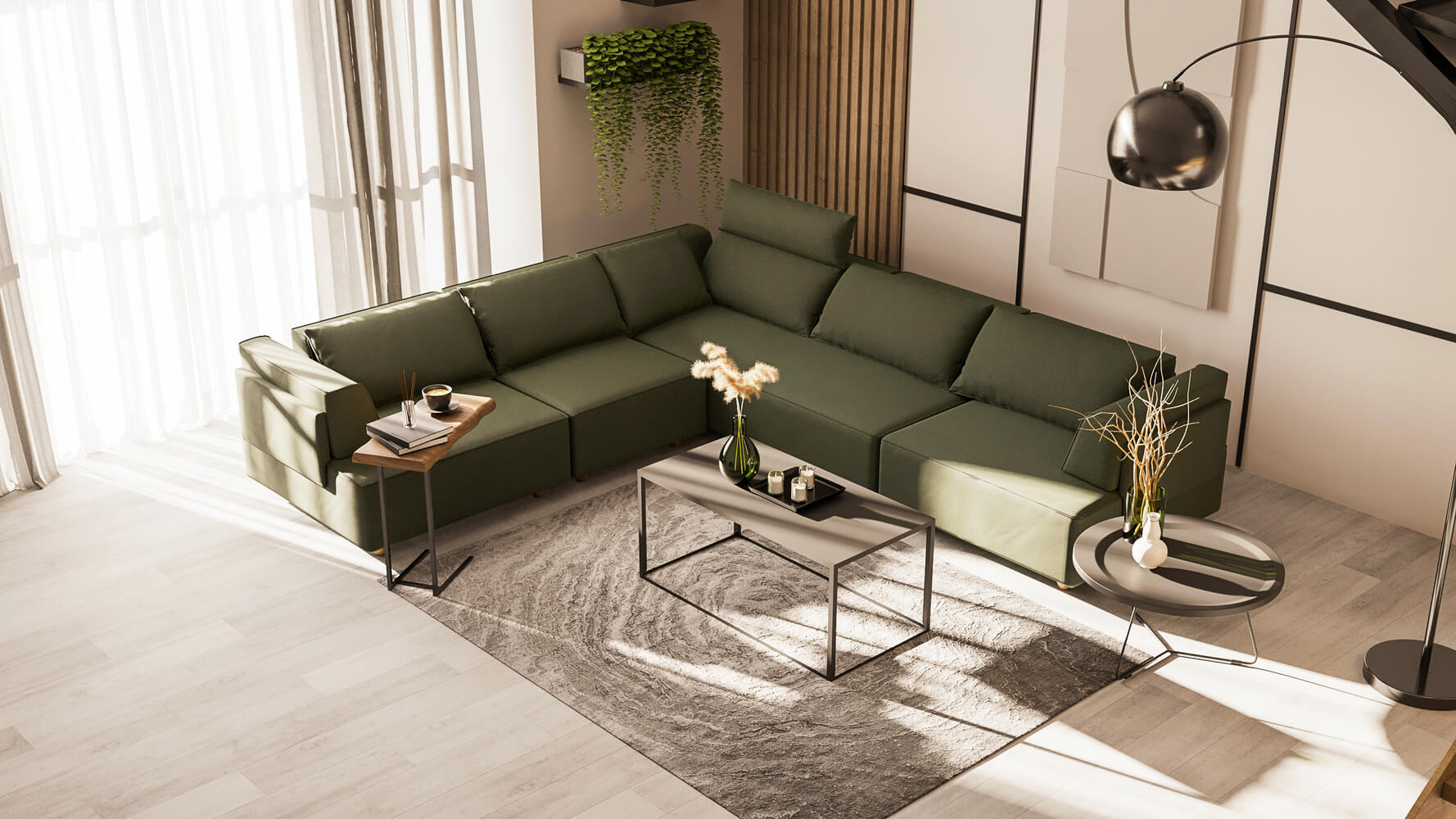
Adapt your living space to your needs anytime with our sectional sofas. Find the modular sofa of your dreams:
The role of furniture in room layout
Choosing the right furniture is essential for optimally arranging a room. Here are some points to keep in mind:
- Furniture size: Make sure your furniture fits the size of the room. Furniture that's too large can make the room feel cluttered, while furniture that's too small can make it feel cramped.
- Multipurpose furniture: If you want to save space, look for furniture that can perform multiple functions, such as a sofa with built-in storage or a modular sofa .
- Mobility: Choose furniture that can be easily moved to create flexibility in your space. To test this out, we recommend visiting a Livom showroom .
Choosing the right colors for your furniture can also have a big impact on the layout of your room. Light colors make a room feel larger and airier, while dark colors can make it seem smaller. So think carefully about which colors you choose for your furniture.
Not sure about colors? Order free fabric samples here.
Another important factor when dividing a room is considering the source of natural light. Position your furniture so you can maximize daylight. Avoid placing furniture in front of windows, as this can block the light and make the room appear darker.
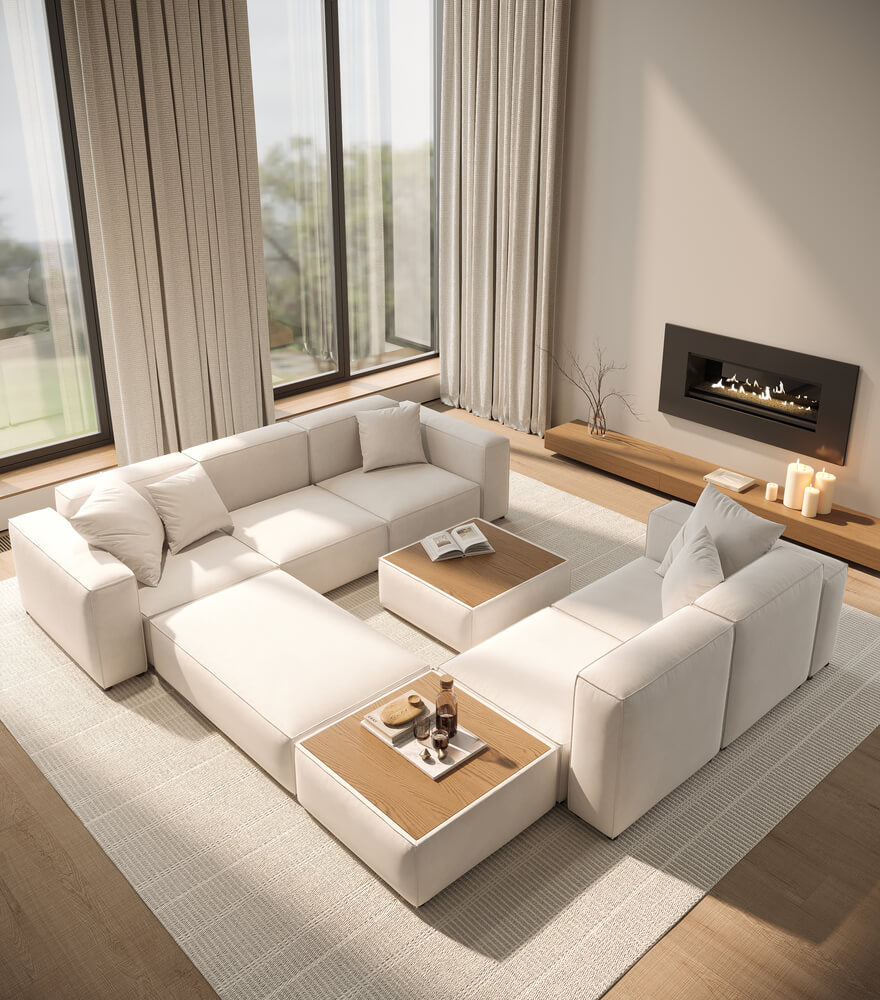
Here is an example of a possible room layout with our Louis modular sofa :

Tricks for optimal room layout
Colors and lighting to enhance the room layout
Colors and lighting play an important role in designing the room layout:
- Light colors: Use light colors on the walls to make the room appear larger and more open.
- Natural light: Take advantage of natural light by removing heavy curtains or replacing them with translucent curtains.
- Additional lighting: Supplement natural light with well-placed lamps to optimally illuminate the room.
Room layout for small rooms
The layout of small rooms requires special attention. Here are some tips on how to make a room appear larger:
- Mirror Use: Place mirrors opposite windows or in strategic locations to visually expand the room.
- Use light colors: Use light shades to make the room feel more airy and spacious.
- Use furniture with plenty of storage space: Choose furniture with built-in storage to make the most of your space.
When dividing space into small rooms, it's important to consider the ceiling. Using vertical elements like shelves or tall plants draws the eye upward, making the room appear larger.
Another trick to make the most of small spaces is to choose multifunctional furniture, such as sectional sofas . Folding tables or sofa beds with storage not only offer flexibility but also additional space for storing items that aren't needed on a daily basis.
Discover our selection of modular sofas with bed function
Common room layout mistakes
Avoid messy rooms
One of the most common mistakes when planning a room is cluttering it with too much furniture or decorative items. This can make the room feel overwhelming and uncomfortable. Make sure you choose only the furniture and decorations you actually need and that are suitable for the size of your room.
The importance of balance in room layout
Another common mistake is an unbalanced room layout. Uneven furniture placement can make the room appear disharmonious. Make sure you position your furniture to create balance. Consider the size, function, and visual weight of each piece.
When planning the room layout, it's also important to consider natural light sources. A room with plenty of natural light can be visually enlarged and brightened by cleverly placing mirrors or using light colors. Make sure no furniture blocks the natural light source and makes the room appear darker.
Final considerations on the room layout
The benefits of a well-thought-out room layout
A well-thought-out room layout offers numerous benefits. It creates a pleasant atmosphere, improves traffic flow, and maximizes available space. By taking the time to carefully plan your room layout, you can create a functional and attractive environment. You can also discuss your room layout with a furniture expert. We recommend visiting a Livom showroom .
How to improve your room layout over time
The layout of your room isn't a final decision. Over time, your needs may change, and you may want to adjust the layout. That's why it's worth considering a sectional sofa when decorating. Be open to change and experiment with different arrangements to find what works best for your space.
With these tips and tricks, you can easily master your room layout and create an optimally organized space. Take advantage of the possibilities offered by furniture, colors, and lighting to make the room both functional and aesthetically pleasing. Have fun designing it!
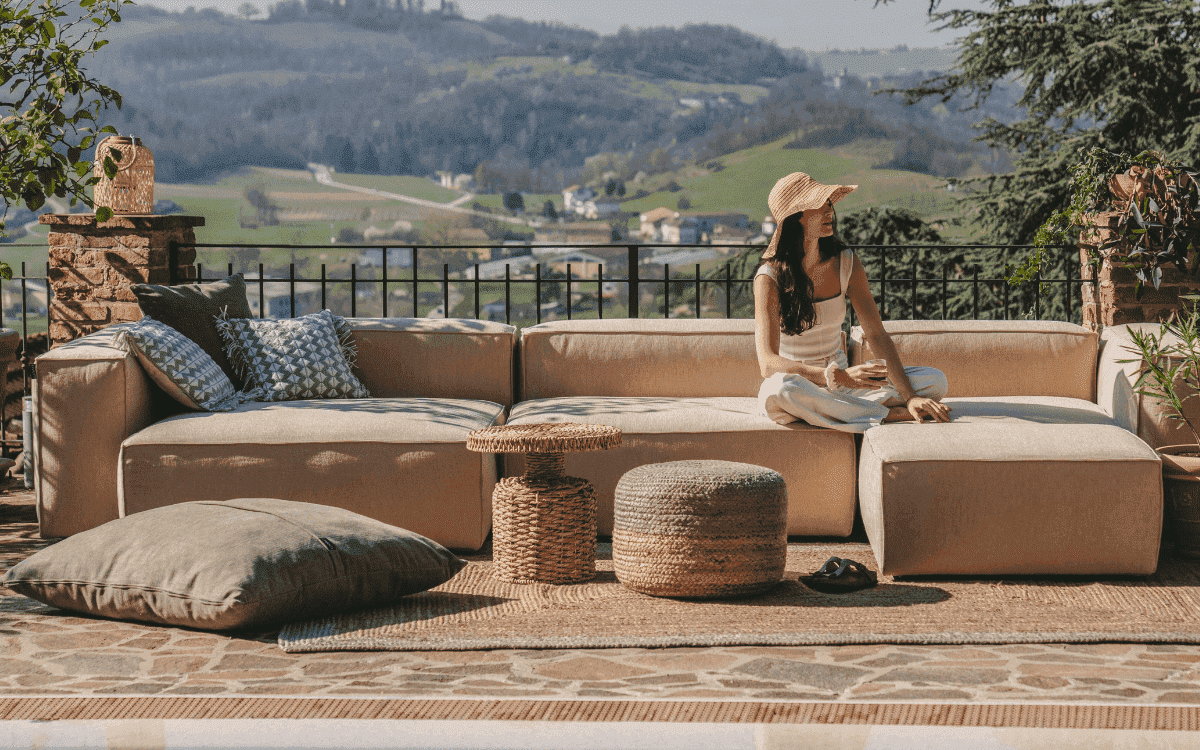
Jenny modular sofa with washable and replaceable covers:

The importance of Feng Shui in room layout
Feng Shui can play an important role in designing room layouts. This centuries-old Chinese practice aims to create harmony between people and their surroundings. By applying the principles of Feng Shui, you can optimize the flow of energy in your room and create a balanced atmosphere.
A key aspect of Feng Shui room layout is furniture placement. It's recommended to position furniture so as to create a harmonious flow and not impede movement within the room. Furthermore, the choice of colors and materials also plays an important role in promoting positive energy in the room.