A sofa isn't just a piece of furniture, but a place of comfort and relaxation. It's a place where we can unwind after a long day and forget the stresses of everyday life. Therefore, it's important to take care of our sofa and protect it from external influences. One way to do this is to waterproof the sofa. But how exactly does this work, and what should we pay attention to? In this article, we'll explore the topic in more detail.
Why is it important to waterproof sofas?
Sofas are exposed to many risk factors. Spills, dirt, dust, and pets can quickly cause stains and odors. Impregnation protects the sofa from these influences and prevents dirt from penetrating. This means the sofa stays clean longer and preserves its color and quality. It's like an invisible shield for your sofa.
If you waterproof your sofa, you will benefit from several advantages:
- Water-repellent: The impregnation makes the sofa water-repellent, meaning liquids can't penetrate the fabric. Spilled drinks are no longer a problem.
- Easy to clean: Impregnation makes it easy to remove dirt and dust . Often, a simple wipe is enough to get your sofa clean again.
- Extended lifespan: Because the sofa is protected from external influences, its lifespan is extended. You'll spend less time and money on repairs or purchasing a new one.
Despite the many advantages, there are also some risks and disadvantages you should be aware of:
- Chemical ingredients: Some waterproofing products contain chemicals. If you're sensitive to chemicals, you should choose a waterproofing product made from natural or environmentally friendly materials.
- Regular refreshment: Impregnation doesn't last forever. Depending on use and exposure to external elements, it's necessary to renew the waterproofing every few months to maintain its protection.
To extend the life of your sofa, it's important to take care of it regularly. Vacuum your sofa regularly to remove dirt and dust. Learn how to remove dust from your sofa here: How can I remove dust from my sofa?
If necessary, use a special upholstery cleaner to treat stains. Be sure to test the detergent on a hidden area first to ensure it won't damage the fabric.
Remember that waterproofing only provides an additional layer of protection and is not a guarantee against all types of stains and damage. It's always advisable to handle your sofa with care and clean up spills immediately to avoid possible stains.
By waterproofing your sofa, you're investing in its long-term protection and care. It's worth investing time and money in waterproofing to extend the life of your sofa and keep it in tip-top condition. It's also worth considering a sofa with washable and replaceable covers. These have the advantage of being removable and washable at any time, allowing you to easily remove stains and odors from the sofa.
The different types of sofa impregnation
There are several types of sofa waterproofing you can choose from:
Spray impregnation
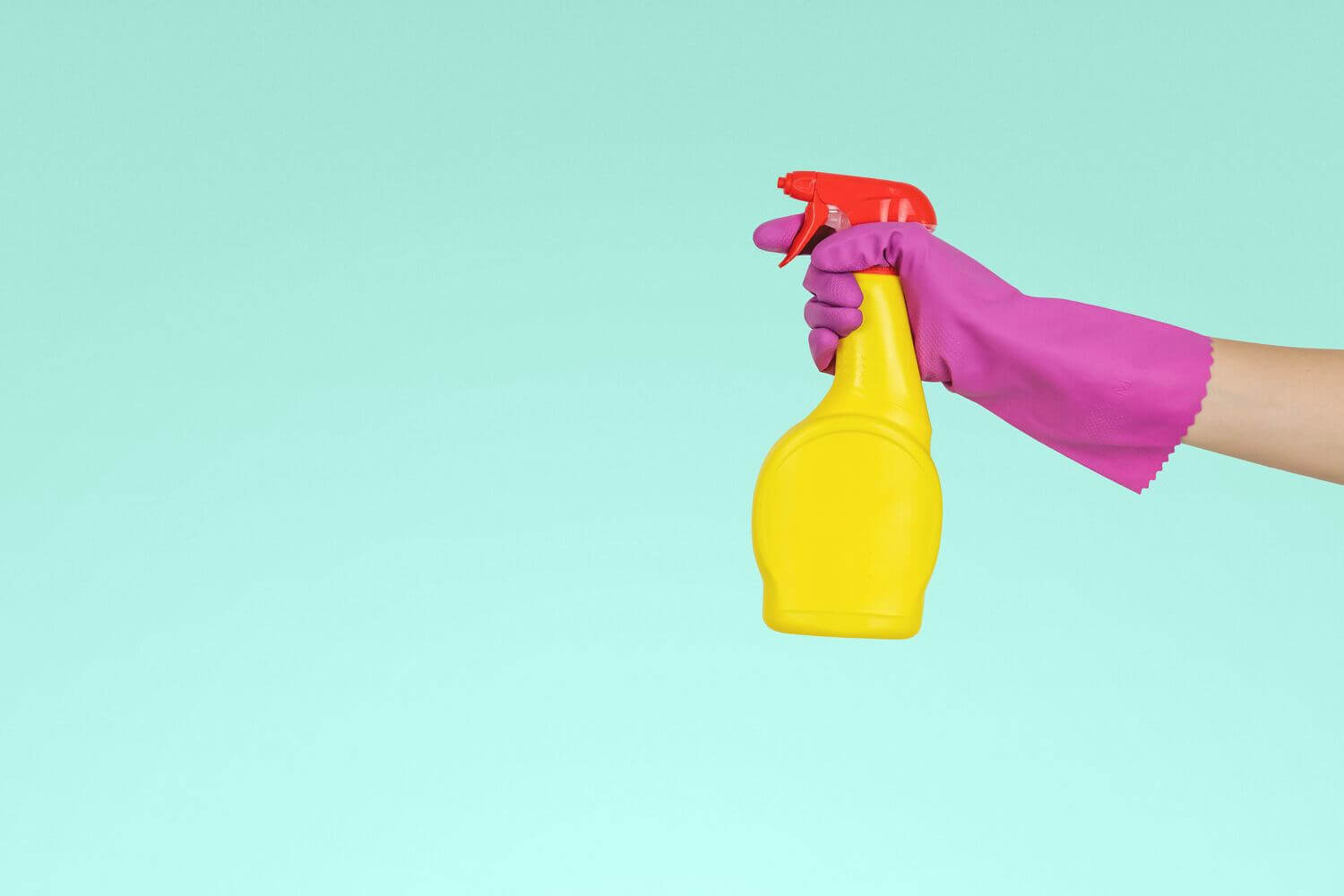
Spray impregnation is one of the most common methods. It's simply sprayed onto the fabric and penetrates the fibers. This creates an invisible protective film that protects the sofa from stains and dirt.
Spray impregnation offers the advantage of being quick and easy to use. You can spray the spray evenly over the surface of the sofa and then let it dry. The protective film forms in just a few minutes and is ready for immediate use.
It's important to choose the right waterproofing spray for your sofa's fabric. Special sprays are available for leather, microfiber, and other types of fabrics. Read the instructions carefully and make sure the spray is suitable for your fabric.

Impregnation with liquid
Another option is liquid impregnation. A waterproofing solution is applied and massaged into the fabric. This method penetrates deeper into the fibers and provides long-lasting protection.
Liquid impregnation requires a little more time and effort than the spray method. You need to apply the waterproofing solution evenly to the sofa and then massage it into the fabric with a cloth or brush. This allows the solution to be better absorbed into the fibers and forms a protective film from the inside.
It's important to apply the waterproofing solution evenly and ensure all areas of the sofa are covered. Be careful not to use too much liquid, as this may cause stains or discoloration. Read the manufacturer's instructions carefully and follow the recommended application steps.
Regardless of the method you choose, it's recommended to waterproof your sofa regularly to maintain its protection. Impregnation forms an invisible barrier that prevents the penetration of liquids and dirt, making cleaning and maintenance easier.
Step-by-step instructions for waterproofing your sofa
Prepare the sofa
Before waterproofing the sofa, make sure it is clean and dry. Remove all loose particles and dust. If necessary, use a vacuum cleaner or soft brush to clean the sofa. Make sure all stains or contamination have been removed before beginning the waterproofing process.
To thoroughly clean your sofa, you can also use special upholstery cleaners. They're generally suitable for different types of fabrics and help remove stubborn stains. However, make sure the cleaner doesn't contain harsh chemicals that could damage the fabric.
After cleaning the sofa, let it dry thoroughly. This may take several hours depending on the ambient temperature and humidity. Avoid drying the sofa in direct sunlight or near heat sources such as radiators, as this may cause discoloration or warping. You can learn how to properly position the sofa here: How do I properly position my sofa?
Impregnation execution
Follow the instructions on the waterproofer package. Maintain a distance of about 20 cm from the surface of the sofa and spray the waterproofer evenly over the entire sofa. Make sure to reach all areas, including the backrests, armrests, and cushions. Let the waterproofer dry completely before using the sofa again.
Impregnation agents are generally water-repellent and protect the sofa from stains and dirt. They form an invisible protective layer on the fabric that prevents liquids from penetrating. This gives you more time to remove stains before they penetrate the fabric and become difficult to clean.
It's important to apply the waterproofer evenly to ensure optimal coverage. Be careful not to overuse the waterproofing agent, as this could cause oversaturation of the fabric. This could alter the structure of the sofa and affect its comfort.
Post-impregnation care
After impregnation, it's important to clean and care for your sofa regularly. Use a soft vacuum cleaner attachment or an upholstery brush to remove dust and dirt. Spots should be treated immediately with a clean cloth and a mild detergent. Avoid over-wetting the sofa to prevent moisture from penetrating. Be sure to refresh the waterproofing agent regularly to maintain its protection.
To extend the life of your sofa, it's a good idea to rotate it or flip the seat cushions regularly. This ensures even wear of the fabric and the sofa maintains its original appearance longer. Avoid placing heavy objects on the sofa, as this may cause warping or damage.
If you have pets, make sure they don't scratch or sharpen their claws on the sofa. If necessary, use special repellents to prevent your pets from damaging the sofa. If you have pets , it's also worth purchasing a sofa with washable and replaceable covers. The advantage is that you can wash the cover at any time or replace it if it's damaged. However, make sure these repellents are pet-safe and won't damage the sofa's fabric.
By regularly caring for and protecting your sofa, you can extend its lifespan and ensure it always looks great. Regular waterproofing is a simple and effective way to protect your sofa from stains and dirt and keep it looking new longer.
Frequently asked questions about sofa waterproofing
How often should I waterproof my sofa?
The frequency of waterproofing depends on several factors, such as the sofa's use, exposure to dirt and moisture, and the type of waterproofing agent. It's generally recommended to re-waterproof the sofa every 6-12 months to maintain its protection.
Can I waterproof my sofa myself or do I need to hire a professional?
Waterproofing a sofa can usually be done yourself without any problems. Most waterproofing products are easy to use and have clear instructions on the packaging. However, if you're unsure or have a high-quality sofa, you can also hire a professional to do the waterproofing.
Tips and tricks for waterproofing sofas
Choosing the right waterproofing agent
There are many different waterproofing products on the market. Be sure to choose a product specifically designed for sofas. Read the descriptions and reviews carefully and choose an effective waterproofing agent that suits your needs. If possible, choose natural or environmentally friendly products.
Mistakes to avoid when waterproofing a sofa
Avoid applying excessive amounts of waterproofing agent to the sofa, as this may create a sticky surface. Also pay attention to the waterproofing's drying time and only reuse the sofa once it is completely dry. Don't forget to refresh the waterproofing agent regularly to maintain its protection.
With these tips and instructions, you can effectively waterproof your sofa and protect it from dirt and stains. Remember that regular cleaning and care are also important to prolong the life of your sofa. Take the time to care for your sofa and you'll be able to enjoy it for a long time.