Our guide explains how to choose the right lighting for your living room. You might think that choosing the right lighting isn't that important, but it's much more than just illuminating the room. Well-chosen lighting can completely transform the atmosphere of your living room and help you feel comfortable. Lighting also impacts your health, so it's definitely worth taking a closer look at this topic.
Why is the right lighting so important?
Lighting plays a key role in creating a comfortable atmosphere in your living room. Have you ever been in a cold, uncomfortable room? Probably not. That's because light plays a key role in how we feel in a room. With the right lighting, you can create a warm, inviting, and welcoming atmosphere.
But that's not all: lighting also impacts our health. Our internal clock is affected by light, and inadequate lighting can lead to sleep disturbances and other health problems. Since we spend a lot of time in our living rooms, we should ensure that the lighting meets our needs.
One aspect that many people overlook when designing their living room is the color temperature of the light. Color temperature is measured in Kelvin and can have a significant impact on the atmosphere. A lower color temperature, such as warm white light, creates a welcoming and relaxing atmosphere. On the other hand, a higher color temperature, such as cool white light, can have a targeted and invigorating effect.
To find the right lighting for your living room, you should combine different light sources. A ceiling light alone often fails to create the desired atmosphere. Instead, you can use different lamps and lights to create versatile lighting. For example, you could place a floor lamp next to the sofa to create a cozy reading nook. Or you could use indirect lighting to create soft backlighting.
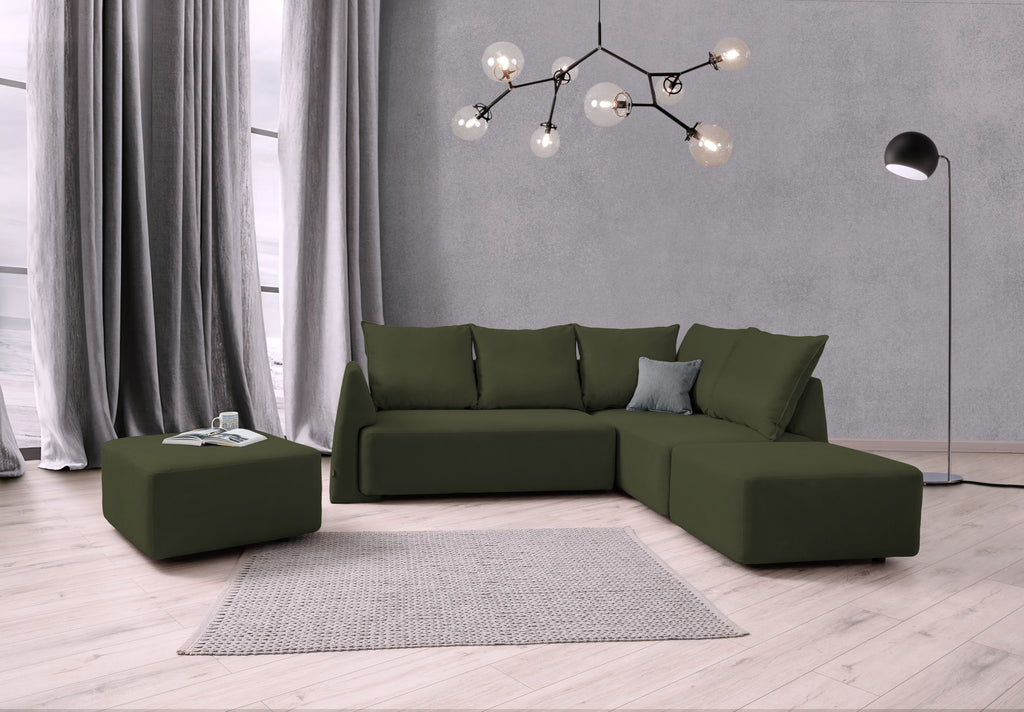
Another important aspect is the dimming function. With a dimmer, you can adjust the brightness of the light to create the atmosphere you desire. In the evening, when you want to relax, you can dim the lights to create a calm and welcoming atmosphere. During the day, when you want to focus on work, you can increase the brightness to increase your productivity.
Choosing the right bulbs is also crucial. Energy-saving LED bulbs are a popular choice these days because they not only last a long time but also offer a variety of color temperatures and brightness levels. Furthermore, they consume less energy than traditional bulbs, which is better for the environment and your wallet.
In short, the right lighting has a significant impact on the atmosphere and our health. By combining color temperatures, different light sources, dimming functions, and energy-saving bulbs, you can create a living room that not only looks beautiful, but also provides a comfortable and healthy environment.
Different types of lighting for the living room
There are different types of lighting you can use in your living room. Depending on your needs and preferences, you can combine different light sources to create the desired atmosphere.
The living room is a place for relaxation and socializing, so the right lighting is crucial. Beyond functional lighting, there are also various ways to create a welcoming and inviting atmosphere.
Ceiling lamps and their advantages
Ceiling lights are a popular choice for living rooms because they provide even, bright illumination. They're ideal for brightening a room and creating basic lighting. There are many different types of ceiling lights, from simple, understated designs to eye-catching, modern models.
If you have a modern living room, you might opt for an elegant ceiling light with integrated LEDs. These not only provide efficient lighting, but are also energy-efficient and durable. Another option is ceiling lights with dimmable features, allowing you to adjust the brightness and create the atmosphere you desire.
Here's an example with a floor and ceiling lamp paired with our Harvey Corduroy Sofa .

Wall lamps and their possible uses
Wall lamps can be a great addition to ceiling lighting. They create indirect lighting that makes a room feel more comfortable and atmospheric. Wall lamps are also great for highlighting specific areas of the room, such as a cozy reading nook or a special decorative object.
There are different types of wall lamps, such as uplights and downlights, which allow the light to shine upwards and downwards, thus creating interesting lighting effects. Wall lamps with adjustable arms are also practical because they allow you to direct the light in different directions.
Floor and table lamps: flexibility and style
Floor and table lamps are perfect for adding extra light to certain areas of the living room. They're flexible and can be moved as needed. They can also match your interior style and add a personal touch to the room. A floor lamp next to the sofa or a table lamp on the coffee table not only provides practical lighting but can also draw attention. Not sure which interior design style is right for you? Find out here .
There are a variety of styles and designs to choose from. From classic to modern, from minimalist to opulent, there's a floor or table lamp for every taste. You can also experiment with different lampshades to filter the light and create a warm atmosphere.
Here you can see the Harvey sofa in Cord Nata paired with a simple table lamp.

The correct positioning of lighting
The placement of lighting is just as important as the type of lighting. With the right placement, you can specifically highlight certain areas of the living room and optimally illuminate the room.
To create a pleasant and inviting atmosphere, it's important to strategically place light sources. Several factors play a role, such as the size of the room, existing furniture, the sofa , and the desired atmosphere.
Let's start with the ceiling light. A well-positioned ceiling light can evenly illuminate a room and create a bright, welcoming atmosphere. However, make sure the light isn't too bright to avoid glare. One way to achieve this is to use dimmable bulbs.
To emphasize certain areas of the living room, you can use wall and floor lamps. Wall lights can be placed strategically to illuminate paintings, shelves, or other decorative elements. This not only creates a beautiful atmosphere, but also draws attention to those areas.
Floor lamps are another way to create targeted lighting accents. They can be placed next to seating to create a cozy reading nook or used as indirect lighting to create a relaxing atmosphere.
The importance of shadows and contrast
Shadows and contrast are important elements in creating an interesting and lively atmosphere. By correctly positioning light sources, you can create interesting shadows and contrasts that add depth and structure to the room.
Experiment a bit with the placement of light sources and observe how the shadows and contrasts change. This can help highlight certain areas of the living room and create a unique atmosphere.
In addition to positioning the light sources, you can also play with different light colors to influence the room's atmosphere. Warm light can create a welcoming and relaxed atmosphere, while cool light creates a modern and dynamic feel.
Also remember that lighting placement should be not only functional but also aesthetically pleasing. Make sure the lights match the room's style and furnishings. This way, you can create a harmonious overall picture and put the living room in the right light.
Choosing the right lamps
There are many different options when choosing lamps. There are LED lamps, halogen lamps, and energy-saving lamps. Each type has its advantages and disadvantages.
LED bulbs are energy efficient and long-lasting. They're a little more expensive to purchase, but in the long run, they'll save you money and protect the environment. They also offer a wide variety of color temperatures and brightness, so you can adjust the light individually to your needs.
Halogen lamps are more economical, but consume more energy. They produce a bright, clear light, ideal for working or reading. However, they have a shorter lifespan than LED lamps.
Energy-saving light bulbs are a good option if you want to save energy. They use less electricity than traditional bulbs and have a longer lifespan. However, they take longer to warm up and contain mercury, making them slightly more harmful to the environment. Therefore, energy-saving lamps should be disposed of properly.
Color temperature and brightness: what should you pay attention to?
The color temperature and brightness of the bulbs also contribute to the atmosphere of your living room. Depending on the mood you want to create, you can choose between cooler and warmer light colors.
Warm white light sources create a cozy atmosphere and are particularly suitable for living rooms and bedrooms. They lend rooms a welcoming feel. If you'd like an even warmer light color, you can also use amber light sources.
Cooler light colors, such as neutral white or daylight white, are more energetic and create a bright, clear atmosphere. They are suitable for work areas or rooms where good visibility is required.
The brightness of lamps should be adjusted to different usage situations. For example, reading requires brighter lighting than watching TV. Dimmable bulbs offer a flexible solution for individually adjusting brightness.
Colors in general have an extraordinary ability to influence your mood and well-being. In your living spaces, where you spend most of your time, their effect plays a crucial role. Learn more in our blog post on the psychology of colors .
Tips for lighting special living areas
In addition to general lighting in the living room, there are also specific areas that require special lighting.
A well-lit living area creates a pleasant atmosphere and ensures optimal use of space. Here are some tips on how to properly light the different areas of your living room.
Lighting for the reading area
A cozy reading area in your living room is perfect for quietly reading a book. Here, you should pay attention to targeted lighting. A floor lamp next to the armchair or a reading lamp on the coffee table provide just the right amount of light for relaxed reading. Make sure the light isn't too bright to avoid eye strain.
To make the reading area even more comfortable, you can also use indirect lighting. A small table lamp on the coffee table or a wall lamp with adjustable brightness creates a pleasant atmosphere and allows you to fully concentrate on your book.
Lighting for the television area
The TV area in your living room requires a different type of lighting. Here, you should use indirect lighting to avoid glare from the screen. A wall lamp behind the TV or a strip of indirect light around the screen can create a fantastic atmosphere while protecting your eyes.
If you enjoy watching movies or playing video games, you can also use the LED strip lighting behind the TV to frame the image with colored light. This not only creates a charming atmosphere, but can also help the image on the screen stand out even more.
Lighting for the dining area in the living room
If the living room includes a dining area, proper lighting is also important. A pendant lamp above the dining table is a classic choice. It provides enough light for dining and creates a cozy atmosphere. Alternatively, you can use several smaller lamps that evenly illuminate the table.
To make the dining area even more inviting, you can also place candles or tealights on the table. These create a warm and romantic atmosphere and make the meal a special experience.
Lighting in specific living areas can have a significant impact on the atmosphere and functionality of a room. With the right lamps and light sources, you can optimally illuminate every area of your living room and create a harmonious atmosphere.
A well-lit living room is key to creating a welcoming and inviting atmosphere. There are many ways to choose the perfect lighting for your living space. A good starting point is to combine different light sources to create versatile lighting.
A popular option is using ceiling lights. These can illuminate the room evenly and create a bright atmosphere. However, if you prefer a softer, more welcoming atmosphere, you might also consider indirect lighting options, such as wall sconces or floor lamps.
To create a warm and inviting atmosphere, you should also consider using table lamps. They can be placed on coffee tables or sideboards and provide a soft, diffused light. This is especially pleasant when watching TV or reading a book in the evening.
Another important aspect of living room lighting is considering the source of natural light. If you have large windows, be sure to open the curtains or blinds during the day to let in natural light. This can make the room feel brighter and more open.
When choosing the right light bulbs, you need to make sure you select the right brightness and color temperature. Warm white light is often perceived as more pleasant and can create a more welcoming atmosphere. Also consider the bulbs' energy efficiency to reduce your electricity bill.
In addition to functional lighting, you can also play with light and shadow to create a certain atmosphere in the room. This can be achieved using dimmers or lampshades. With a dimmer, you can adjust the brightness of the lighting and create a relaxed and romantic atmosphere.
Also remember that your living room lighting shouldn't just be functional, but should also reflect your style and personal needs. You can achieve this by choosing lamps with interesting designs or colors that match your decor.
Experiment with different lighting options and see which one best suits your living room. You might also consider seeking professional lighting advice to ensure you get the optimal lighting for your space.
By choosing the right lighting for your living room, you can create an inviting, welcoming, and functional space. Use the tips and ideas above to create the perfect living room lighting and transform your home into a place where you can relax and feel good.