Sofas are not just a decorative element, but also a source of comfort and style in our homes. There are many different types of sofas on the market, but one truly stands out: the silk sofa. With its silky elegance and luxurious look, a silk sofa becomes a true eye-catcher in any room. In this article, we'll take a closer look at the allure of silk sofas and learn all about their history, production, aesthetics, care, and their role in interior design.
The history of silk sofas
To truly understand the allure of silk sofas, it's important to understand their history. Silk sofas have a long tradition and have been a symbol of luxury and elegance for centuries.
The history of silk sofas dates back to ancient China, where silk fabrics were used to make furniture over 2,000 years ago. The Chinese were the first to master the art of silk production and use it to create high-quality home textiles. The use of silk spread throughout the world over time, and silk sofas became a symbol of wealth and refinement.
Unique silk sofa designs were developed throughout different historical periods. During the Baroque era, silk sofas were opulent and ornate. The lavish use of silk combined with intricate carvings and embellishments gave the sofas a regal allure. In the Art Deco style of the 1920s, however, designers paired silk with modern lines and geometric patterns. This combination of elegance and modernity made silk sofas a popular piece of furniture during this era.
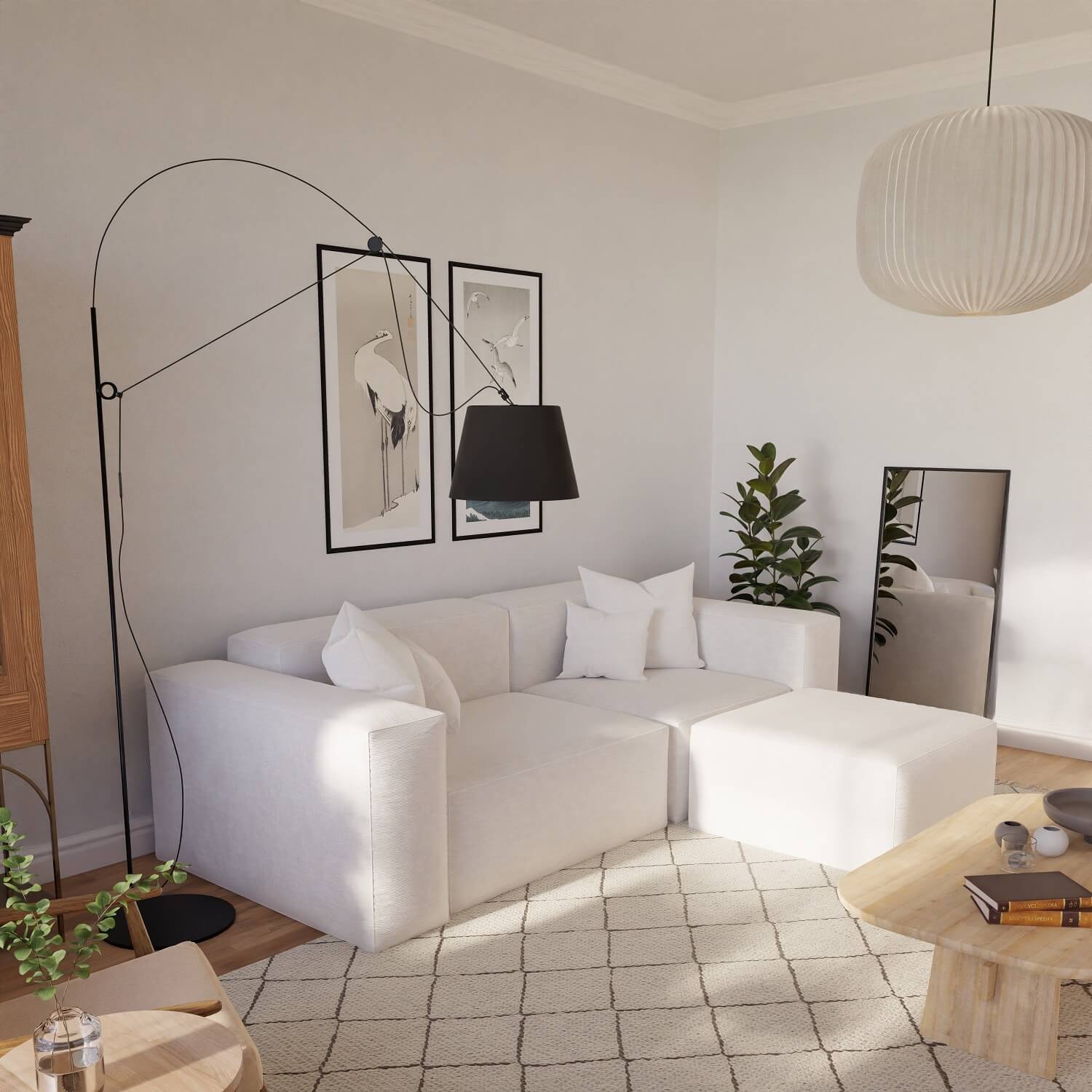
Today, silk sofas come in a variety of styles and designs to suit every taste and decor. From classic and traditional designs to modern and minimalist pieces, silk sofas continue to be a symbol of luxury and elegance in any living space.
The production of silk sofas
Making silk sofas is an art in itself and requires skill and expertise. Here, we take a look at the silk production process and the craftsmanship involved in crafting silk sofas.
The silk production process
Silk production begins with the breeding of silkworms and the extraction of their cocoons. The cocoons are then boiled in hot water to dissolve the silk threads. These threads are spun and then woven to create silk fabric. This material is then used to make sofa covers.
Silkworms are raised in special silk farms where they are kept in controlled environments. The caterpillars feed on mulberry leaves, which provide them with a special diet to improve the quality of the silk threads. After the caterpillars spin their cocoons, they are carefully collected to avoid damaging the threads.
The cocoons are then immersed in hot water to dissolve the natural glues that hold the threads together. This process, called "steaming," allows the long, thin silk threads to be carefully dissolved. The threads are then wound and spun into yarn to prepare them for further processing.
The yarn is then woven on looms into silk fabrics. Weaving requires precision and skill to evenly stretch the threads and create the desired pattern or design. After the silk fabric is woven, it is carefully inspected and quality-controlled to ensure it meets high standards.
The silk fabric is then used to make sofa covers. The covers are cut and sewn by hand to ensure a perfect fit. Artisans use special techniques to precisely craft the silk covers and ensure they are smooth and wrinkle-free.
Craftsmanship in the construction of sofas
The production of silk sofas requires great attention to detail and craftsmanship. Artisans use traditional techniques to upholster the sofas and sew the silk covers. Each sofa is carefully inspected to ensure it meets the high standards associated with silk furniture.
Sofa upholstery is done in several steps. First, a sturdy wooden frame is created, which forms the basis for the upholstery. Various materials, such as foam, feathers, and padding, are then used to make the sofa comfortable and inviting. The padding is applied by hand to the frame and carefully shaped to achieve the desired shape and contour.
Once the upholstery is complete, the silk covers are applied to the sofa. The craftsmen ensure that the covers are smooth and wrinkle-free and that the seams are perfectly stitched. The silk covers are carefully placed around the sofa and secured with special tools to ensure a secure fit.
Making silk sofas requires a great deal of patience and precision. Every step of the process is carried out by expert craftsmen who have mastered their craft. The end result is a luxurious and unique piece of furniture that combines elegance and comfort.
The aesthetics of silk sofas
The aesthetics of silk sofas are simply breathtaking. From the colors and patterns to the different styles, silk sofas have a unique charm that sets them apart from other sofas.
Colors and patterns in silk sofa design
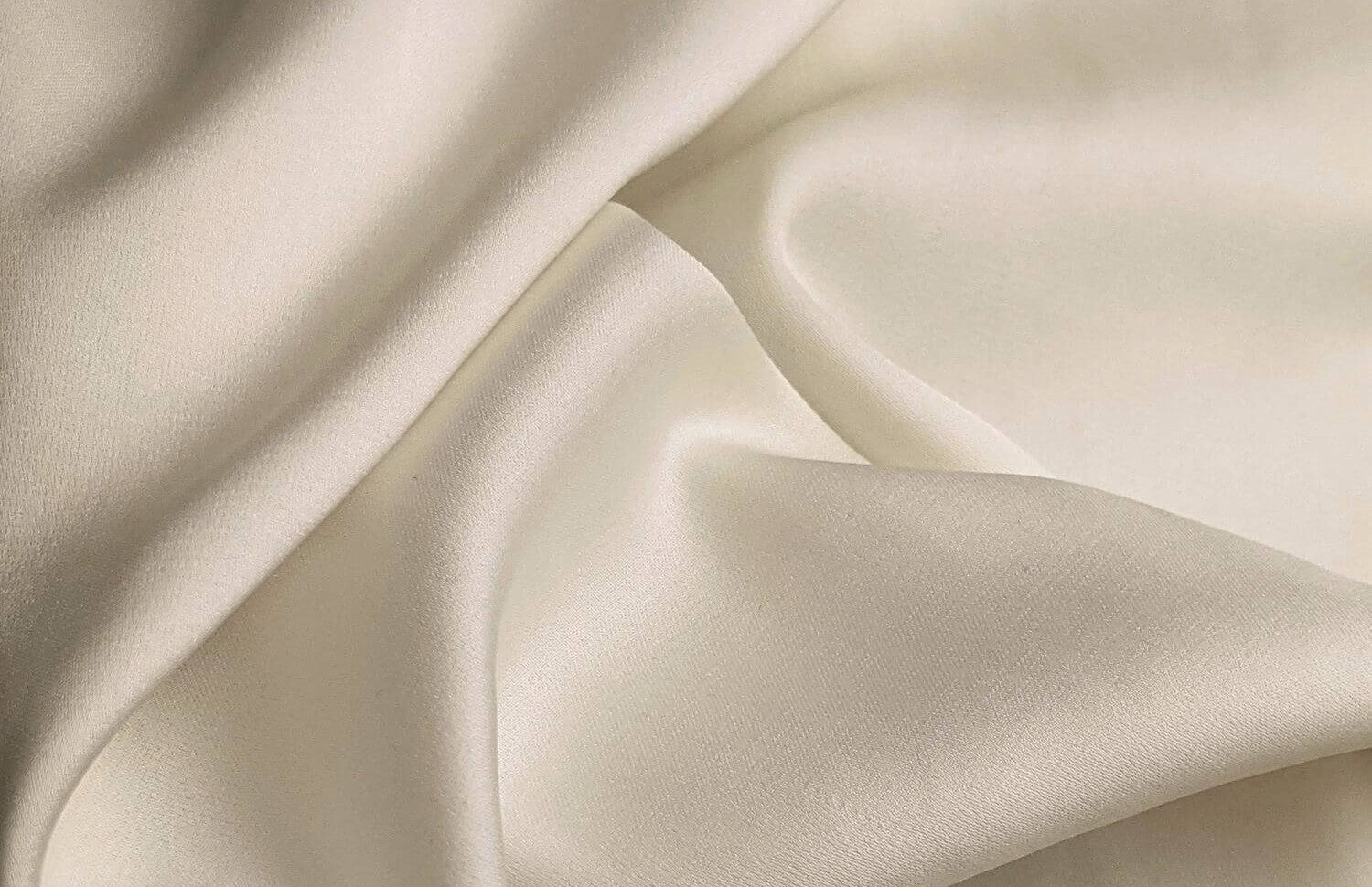
Silk sofas are available in a variety of colors, from bold, vibrant hues to delicate pastels. Silk fabrics often have a subtle sheen that catches the light and gives the room a luxurious feel. Patterns range from classic florals to modern geometric shapes.
Styles and their impact on silk sofas
Choosing the right style for your silk sofa can have a significant impact on the overall atmosphere of the room. A traditional silk sofa can bring a touch of elegance and sophistication to a classic room, while a modern silk sofa with clean lines and a minimalist design creates a contemporary look. The versatility of silk sofas allows you to choose the style that best suits your taste and decor.
Care and maintenance of silk sofas
To maintain the beauty and longevity of your silk sofa, regular care and maintenance are necessary. Here are some tips for cleaning and caring for silk fabrics and prolonging the life of your silk sofa.
Cleaning and care of silk fabrics
When cleaning silk sofas, you should always follow the manufacturer's instructions. Silk can generally be cleaned with a mild detergent and cold water. Be sure to handle silk gently and avoid scrubbing vigorously to avoid damage. It's also recommended to regularly remove dust and dirt from the sofa to prevent contamination.
Discover our modular sofas with washable and interchangeable covers:
Tips to extend the life of your silk sofa
To prolong the life of your silk sofa, you should protect it from direct sunlight and strong heat sources. Also, avoid spilling liquids on the sofa and use appropriate protective products if necessary. Regular care and careful treatment will ensure that your silk sofa retains its beauty for many years.
The role of silk sofas in interior design
Silk sofas play an important role in interior design and can transform the entire room.
Silk sofas in the center of the room
A silk sofa can become the centerpiece of a room and draw everyone's attention. The luxurious look and soft texture of silk sofas make them the perfect piece that brings a room to life. Place the sofa in the center of the room or against a wall to make it stand out.
Combining silk sofas with other furniture styles
Silk sofas can easily be paired with a variety of interior styles. They can be paired with modern furniture for a contrasting effect or with antique pieces for a traditional look. The versatility of silk sofas allows you to create your own unique style and enhance the ambiance of your room. Not sure which decor style is right for you? Then we have the perfect guide for you: Which decor style suits me?
In short, silk sofas are a charming choice for furniture lovers. With their silky elegance, their history and manufacturing techniques, their unique aesthetic, and their role in interior design, silk sofas are much more than just a simple furnishing accessory. They are a symbol of luxury and refinement, enhancing any space and providing the perfect place to relax.