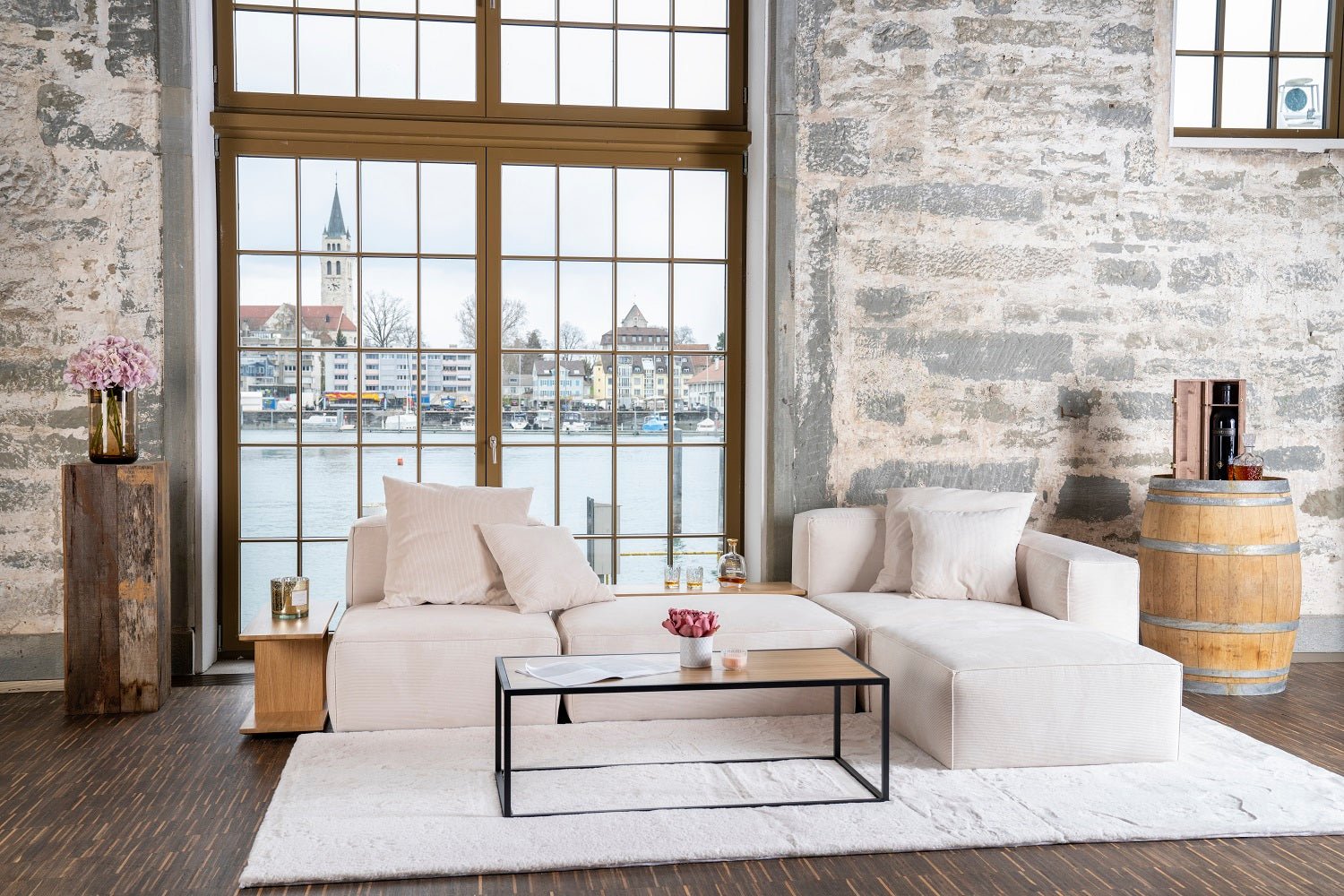
Have you ever wondered if there's a way to make your old sofa look new again? The good news is that there actually is a solution: reupholstering your sofa. In this article, you'll learn why reupholstery can be a great option, how to choose the right material for reupholstery, detailed instructions on reupholstery, and how to avoid common mistakes. We'll also give you tips on how to care for and maintain your newly reupholstered sofa so you can enjoy it for a long time.
Why should you reupholster your sofa?
There are many reasons why it might make sense to reupholster your sofa. One of the main advantages is the cost savings compared to buying a new one. Imagine how much money you could save if you could restore your old sofa to a condition similar to that of a new piece of furniture.
Another advantage is the ability to customize the look and comfort of your sofa. By choosing the upholstery material and cover, you can add a personal touch to your living space and ensure your sofa meets your individual needs.
For example, you can choose a luxurious velvet upholstery to add a touch of elegance to your living room. Or you can opt for a durable and easy-to-clean upholstery material if you have children or pets . The possibilities are endless!
In addition to customizing the look, you can also improve the comfort of your sofa. If you find that your current sofa no longer offers the seating comfort you desire, you can change the upholstery by reupholstering it. You can choose softer or firmer padding depending on your preferences.
Another reason to reupholster your sofa is sustainability. By reusing and renovating your old sofa, you help reduce waste and protect the environment. The decision to reupholster instead of buying a new sofa is not only economically sensible, but also environmentally responsible.
And don't forget that reupholstering your sofa can also be an exciting DIY project! If you enjoy crafts, you can take on the challenge and reupholster your sofa yourself. There are many tutorials and guides online that can help you with this. It's a great way to use your creative skills and create a unique piece of furniture.
There are also some suppliers where you can order replacement covers or individual pieces for your sofa. This has the advantage of not having to buy a new sofa or reupholster the entire sofa.
Choosing the right material for the covering
Selecting the right material is crucial to ensuring your upholstered sofa has the desired look and durability. There are various types of upholstery materials , including foam, down, and polyester fibers.
Before deciding on a material, you should think about how your sofa will be used and the level of comfort you desire. Do you want a firm seat or a soft, comfortable sofa? Also consider whether you prefer easy-to-clean materials or whether appearance is more important to you.
If you prefer a firm seat, foam is a good choice. Foam padding provides stable support and retains its shape even after prolonged use. There are different types of foam, including high- and medium-density varieties. High-density foam is particularly durable and provides a firm fit, while medium-density foam is slightly softer and conforms to the body better.
If you're looking for a soft and cozy sofa, down filling is a popular option. Down offers luxurious softness and a comfortable seating experience. It conforms well to the body and provides excellent support. However, down fillings require regular shaking to maintain their shape and volume.
For a low-maintenance option, consider polyester fibers. Polyester is durable, easy to clean, and holds its shape well. It's also a more affordable alternative to foam and down. However, polyester fibers may not provide the same softness and conformability as foam or down.
When choosing a siding material, you should also consider its appearance. Some materials have a smooth, even surface, while others have a textured or patterned surface. Think about your preferred style and how well the material complements your interior design.
Ultimately, choosing the right upholstery material depends on your personal preferences, desired comfort, and how you'll use the sofa. Take the time to try out different materials and make sure you make the right decision to get a sofa that suits your needs.

Step-by-step instructions for reupholstering a sofa
Reupholstering a sofa can be a challenge, but with a little patience and preparation, it's entirely doable. Here's a step-by-step guide to help you:
Prepare the sofa
First, you should thoroughly clean your sofa and remove any surface dirt or dust. Also, remove any cushions or covers for better access to the upholstery.
Removing the old padding
Carefully remove the old upholstery to avoid damaging the sofa's structure. Use tools such as a stapler to loosen the upholstery, making sure to carefully remove any fabric or nails from the upholstery.
Attach the new covering
After preparing your sofa, it's important to choose the right upholstery . There are different types of padding materials, such as foam, innerspring, or down. Each material has its advantages and disadvantages, so you should carefully consider which one is best for your sofa.
Once the old padding has been removed, you can begin attaching the new padding. Cut the cover to the correct size and position it evenly on the sofa. Use a stapler to secure the cover.
Once the upholstery is in place, you can apply a new slipcover to give your sofa a fresh look. Make sure the slipcover fits well and is wrinkle-free to keep your sofa looking like new.
When applying the cover, make sure it's even and tight for a professional finish. Tape the cover to the sides and corners of the sofa to ensure it fits securely and doesn't slip.
After applying the new padding and cover, you can refinish your sofa with cushions and covers. Make sure everything fits together properly, and your sofa will now look brand new.

Common Upholstery Mistakes and How to Avoid Them
When reupholstering a sofa, some mistakes can occur that can affect the final result. A common mistake is choosing the wrong material. Take your time to choose the right material for your sofa, and it's best to seek advice from a specialist.
Another mistake is improper padding technique. Make sure the padding is properly secured and there are no unnecessary creases or bumps. If necessary, practice on a small piece first before reupholstering the entire sofa.
Reupholstering a sofa requires not only craftsmanship but also a certain degree of creativity. Choose not only the right material, but also a suitable color and pattern to give your sofa a unique and attractive look.
Another common mistake when upholstering is not using enough upholstery material. Make sure you use enough padding to ensure a comfortable seating experience. It's better to use a little too much material than too little for optimal results.
When reupholstering a sofa, it's important to use the right tools and materials. Use high-quality upholstery tools to achieve a professional result. Also pay attention to the quality of the upholstery material to ensure long-lasting durability.
Another common mistake when reupholstering is careless preparation. Before starting the process, you need to thoroughly clean the sofa and repair any damage. Remove any old upholstery materials and inspect the condition of the wooden frame.
Care and maintenance of your newly upholstered sofa
To keep your newly reupholstered sofa looking new for a long time, regular care and maintenance are essential. Here are some tips to keep your sofa in tip-top condition:
It's important to clean your sofa regularly to remove dirt and dust . Depending on the type of upholstery material, different cleaning methods may be necessary. Learn the best methods for cleaning your specific material and avoid using harsh cleaning products. Be sure to treat stains immediately to avoid permanent damage.
Also, don't keep hot objects on the sofa as they could damage it. Avoid spilling liquids, especially stains, to prevent stains. If a stain does form, you should act immediately and carefully remove it with a mild detergent.
To prolong the life of your sofa's upholstery, it's advisable to rotate it regularly to ensure even wear. Also, avoid direct sunlight, as this can cause the material to fade. If possible, place the sofa in a location protected from direct sunlight.
If you have pets , it's a good idea to place a protective blanket on your sofa to prevent damage or contamination. Pets can use their claws to damage the upholstery material or leave behind hair and dirt. A protective blanket can effectively solve this problem and extend the life of your sofa. A sofa with replaceable and washable covers is also pet-friendly. They have the advantage of being machine washable if they get dirty. If your pet damages the cover with their claws, you can replace it at any time.
With these tips, you should be well prepared to reupholster your sofa and give it a new look. Be patient and take your time to achieve a result you're happy with. With the right material and the right technology, you can restore your sofa to its former glory and enjoy it for a long time to come!
Remember that regular care and maintenance of your sofa are essential to maintaining its beauty and functionality. Invest time and effort in its care and you'll be rewarded with a sofa that will last for years to come.
It's also important to regularly care for your upholstery. Check the upholstery seams and buttons to make sure they're secure and intact. If you notice any damage, you should have it repaired as quickly as possible to avoid serious damage.
In addition to cleaning and maintenance, it's also advisable to air out your sofa regularly to prevent odors. Let fresh air into the room and open windows to ensure good air circulation. This helps eliminate unpleasant odors and keep your sofa fresh and clean.
Another important aspect of caring for and maintaining your sofa is regularly checking the upholstery for signs of wear. If you notice that the upholstery is worn or losing its shape in some areas, you may want to reupholster it. This can significantly extend the life of your sofa and ensure it remains comfortable and inviting.
Remember that proper care and maintenance of your sofa not only preserves its aesthetic beauty, but also helps maintain its structural integrity. By paying regular attention to your sofa and taking the necessary measures, you can ensure it functions well for many years to come.