Welcome to our article on how to keep your living room cool despite the heat! On hot summer days, it can be difficult to maintain a comfortable temperature in your home. But don't worry, with a few simple tips and tricks, you can keep the heat out and ensure a cool living atmosphere.
The importance of a fresh living atmosphere
Before we move on to practical cooling tips, we want to emphasize the importance of a cool living environment. Not only is it more pleasant to stay in a cool room, but there are also health benefits to a cool living area.
A pleasant room temperature has a positive effect on our well-being. Especially on hot days, a cool room can help cool the body and reduce the risk of heat exhaustion or heat stroke. A cooler environment allows us to concentrate better and make our daily lives more productive.
Health benefits of a cool stay
A cool room can not only help protect our bodies from the effects of heat, but also improve our sleep. A pleasant room temperature ensures restful nights and allows us to wake up refreshed and energetic the next day.
Furthermore, a cool indoor climate has positive effects on our health. It can reduce the risk of respiratory diseases because fewer bacteria and viruses can multiply in a cool room. Furthermore, a pleasant room temperature improves blood circulation and can relieve muscle tension.
Improving the quality of life through pleasant ambient temperatures
A cool living room can also improve your quality of life. If the room is too hot, it can cause irritability, discomfort, and a reduced ability to concentrate. By keeping your living room cool, you create a comfortable environment where you can relax and feel at ease.
Not only you, but also your furniture and appliances benefit from a cool living environment. High temperatures can cause damage to wooden furniture, electronics, and other delicate items. Proper cooling can help extend the life of your furnishings and avoid potential repair costs.
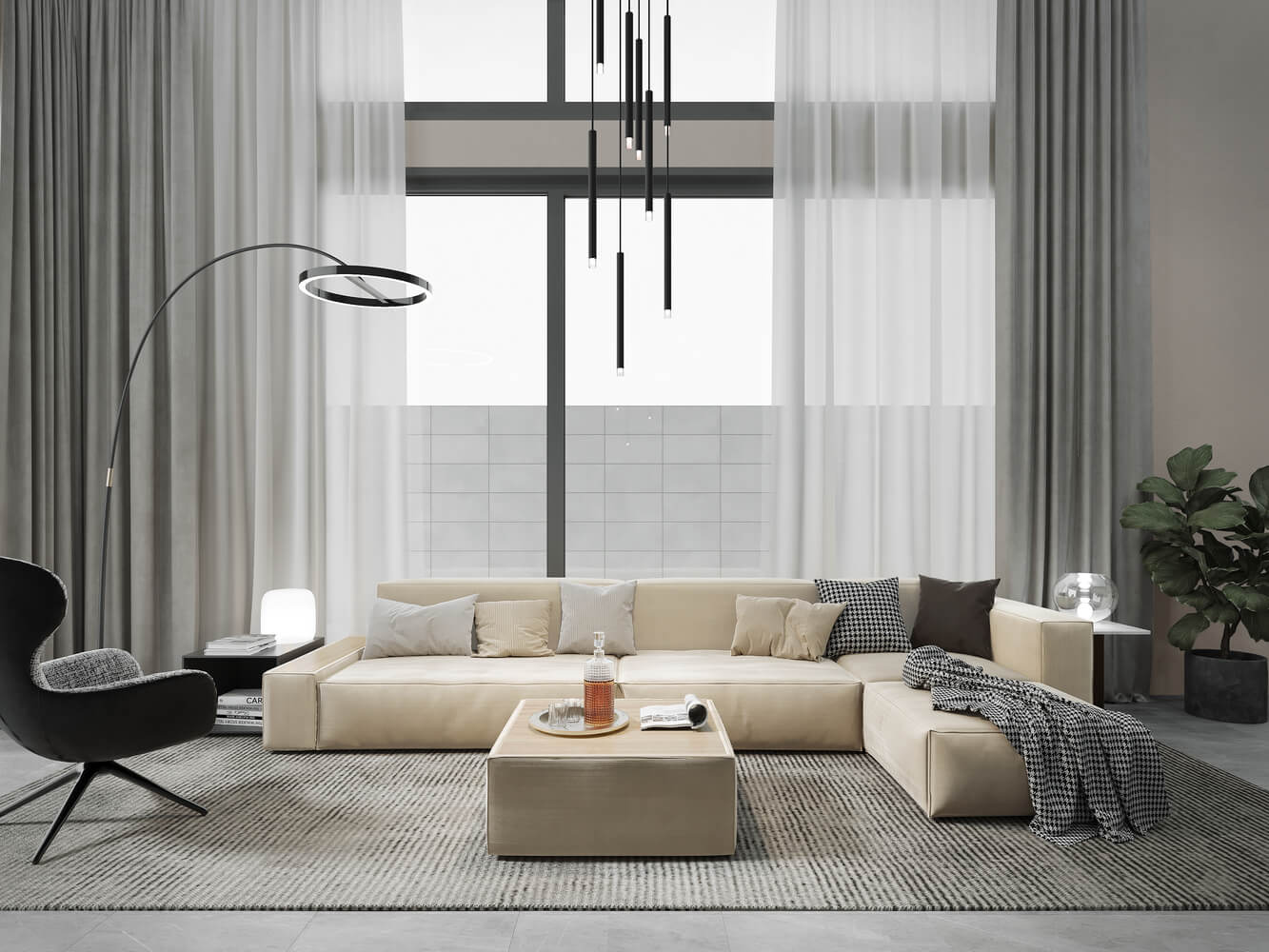
Looking for a breath of fresh air in your living room? Discover our sectional sofas with washable and interchangeable covers:
Understanding the heat sources in your living room
Before you can take proper cooling measures, it's important to understand the heat sources in your living room.
Another important factor in overheating a living room is room insulation. Poor insulation allows outside heat to enter the room more easily, increasing the room temperature. Therefore, check windows and doors for leaks and insulate them if necessary.
Sunlight and its effects on ambient temperature
One of the main causes of high room temperatures is direct sunlight. The sun heats rooms through windows and creates a greenhouse effect. Therefore, it's important to control this heat source by using curtains, blinds, or sunscreens.
Additionally, placing plants in front of windows can help reduce sunlight. Plants not only absorb some of the sun's energy, but also create a pleasant atmosphere in the room.
Electronic devices as hidden heat sources
You may be surprised to learn that electronic devices like televisions, computers, and lamps also contribute to room temperature. Although they produce less heat than sunlight, they can still help warm a living room. Be sure to turn off these devices when not in use and minimize their use on hot days.
Another factor to consider is the sources of heat lost in the living room. For example, a fireplace not only creates a cozy atmosphere, but also emits heat. Make sure the fireplace is properly sealed when not in use to prevent heat loss.
Practical tips to freshen up your living room
Now let's get to the practical tips on how to keep your living room cool.
Optimal use of curtains and shutters
Curtains and blinds are effective ways to reduce sunlight. Choose blackout curtains or blinds to minimize sunlight penetration. Close them during the hottest hours of the day to keep out the heat.
To enhance the effect of curtains and blinds, you can also consider choosing reflective materials. These can better block the sun's rays and further reduce the temperature in the living room.
Another tip is to place curtains and blinds not only in front of windows, but also in front of doors or other living room entrances. This prevents warm air from entering from outside and increasing the room temperature.
Use of fans and air conditioning
Fans and air conditioners can be extremely helpful in keeping your living room cool. Use a ceiling fan or pedestal fan to improve air circulation. If you have an air conditioner, make sure it's properly maintained and running efficiently.
There are different types of fans you can use in your living room. In addition to pedestal fans and ceiling fans, there are also table fans and tower fans. Each of these fans has its own advantages and can help lower the room temperature.
When it comes to air conditioning systems, it's important to clean or replace filters regularly to ensure optimal cooling performance. You should also make sure the air conditioner is sized correctly to cool the room efficiently.
The role of houseplants in cooling rooms
Did you know that houseplants can also help cool rooms? Some plants, like ferns and rubber trees, have natural cooling properties. Place them strategically in your living room to benefit from their cooling effects.
In addition to their cooling effect, houseplants can also increase humidity and improve air quality. This can be especially helpful in the summer months, when the air is dry and the room temperature is high.
To enhance the cooling effect of houseplants, you can also place a bowl of water under them. The air is further cooled by the evaporation of the water.
It's important to care for and water houseplants regularly to ensure they stay healthy and can develop their refreshing effect.
Energy-efficient methods for cooling spaces
In addition to practical tips, there are also some energy-efficient methods to keep your living room cool.
There are several ways to keep your living room cool and energy-efficient. Here are some additional tips:
Investments in energy-efficient devices
Energy-efficient devices such as air conditioners or fans can help reduce energy consumption while ensuring effective room cooling. When purchasing, pay attention to the energy label and choose devices with a good energy efficiency rating.
There are numerous energy-efficient air conditioners and fans available on the market today. These devices are specifically designed to lower room temperatures without consuming excessive energy. Thanks to their high energy efficiency ratings, you can not only save money but also reduce your carbon footprint.
The importance of isolation and seclusion
Providing good insulation and insulation for your living room can help keep heat out. Check whether your windows and doors are well-insulated and whether there are any leaks that could allow hot air to enter. Good insulation is important not only for cooling the room, but also for your home's energy efficiency.
Insulation and sealing of your living room play a crucial role in maintaining a comfortable room temperature. Effective insulation helps keep heat out, reducing energy consumption. Regularly check whether windows and doors are well-insulated and for leaks that could allow hot air to enter. Sealing these areas minimizes energy loss and thus improves room cooling.
Conclusion: a cool stay even in summer
In short, it's possible to keep your living room cool despite the heat. From controlling sunlight to using fans and air conditioning to optimizing energy efficiency, there are many steps you can take. A cool living room not only improves your quality of life, but also brings long-term benefits to your health and energy consumption. Try our tips and enjoy a cool summer in your own wellness oasis!

Now I'd like to give you some additional information to further your understanding of cooling your living room in the summer. There are several types of sunscreen you can use to reduce sunlight in your living room. One option is to install curtains or blinds on your windows. They can help reduce sunlight penetration and therefore lower the room temperature.
Another important aspect is choosing the right colors for your living room. Light colors reflect sunlight better than dark colors, which can keep the room temperature lower. Therefore, we recommend covering your sofa with a lighter-colored replacement cover in the summer. Also consider painting the walls in light colors to create a cooler atmosphere.
In addition to controlling sunlight, adequate ventilation is also essential for keeping your living room cool. You can use fans to improve air circulation and create a pleasant breeze. Alternatively, you can also install an air conditioner to effectively lower the room temperature.
Another way to optimize the energy efficiency of your living room is to use energy-efficient appliances. When purchasing electrical appliances such as televisions, computers, and lamps, pay attention to the energy label. Devices with a high energy efficiency class consume less electricity and therefore help reduce energy consumption.
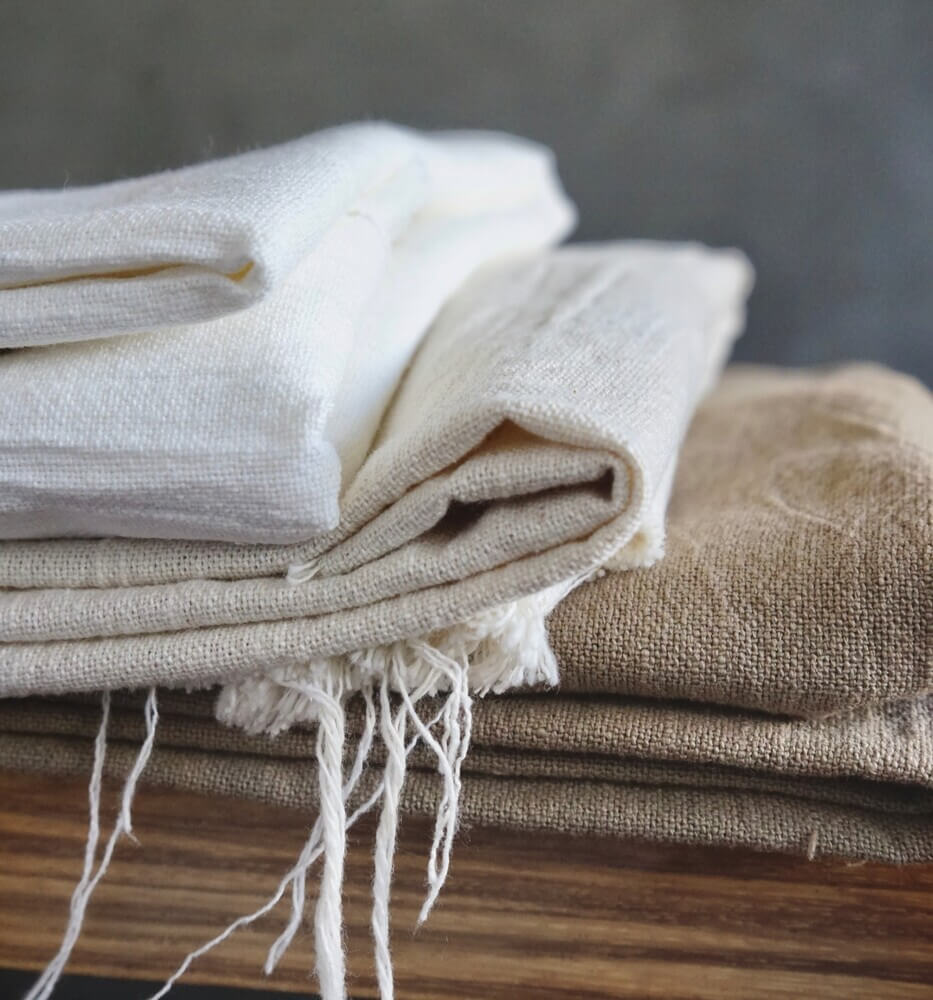
To make your living room even cooler, you can also use natural materials. For example, use cotton or linen fabrics for curtains and furniture covers. These materials are breathable and help dissipate heat.
In short, there are many ways to keep your living room cool even in summer. From controlling sunlight to using fans and air conditioning, to optimizing energy efficiency and using natural materials, there are numerous measures you can take. By following these tips, you can not only create a comfortable room temperature but also reduce energy consumption, with long-term benefits for your health and the environment. So what are you waiting for? Turn your living room into a cool oasis of well-being and enjoy summer to the fullest!