Do you pay attention to sustainability in your daily life?
No matter what your answer, let's be honest: the vast majority of us could probably do more to reduce our footprint on the planet.
Sustainability shouldn't remain just an intangible buzzword. It should become a topic you can pay attention to in your everyday life. That's why we've researched and collected simple tips for greater sustainability in your daily life.

Sustainable everyday living: You can put these tips into practice now
- Dishwasher and dishwasher Fill the washing machine
Dishwashers and washing machines can be real energy hogs, depending on the model. If we're going to put a strain on the environment, it should at least be worth it every time. So always fill your dishwasher and washing machine as full as possible before starting them.
If you also use the Eco program in both the dishwasher and the washing machine, you can save even more energy.
- Avoid preheating the oven
Did you know that you can save about 20% on electricity if you only turn on the oven when you put the food in?
Preheating the oven is absolutely unnecessary because it simply uses energy without benefiting the food. If you turn the oven on only when actually needed, cooking time will be a little longer, but the environment will thank you.
- Shopping bags instead of plastic bags
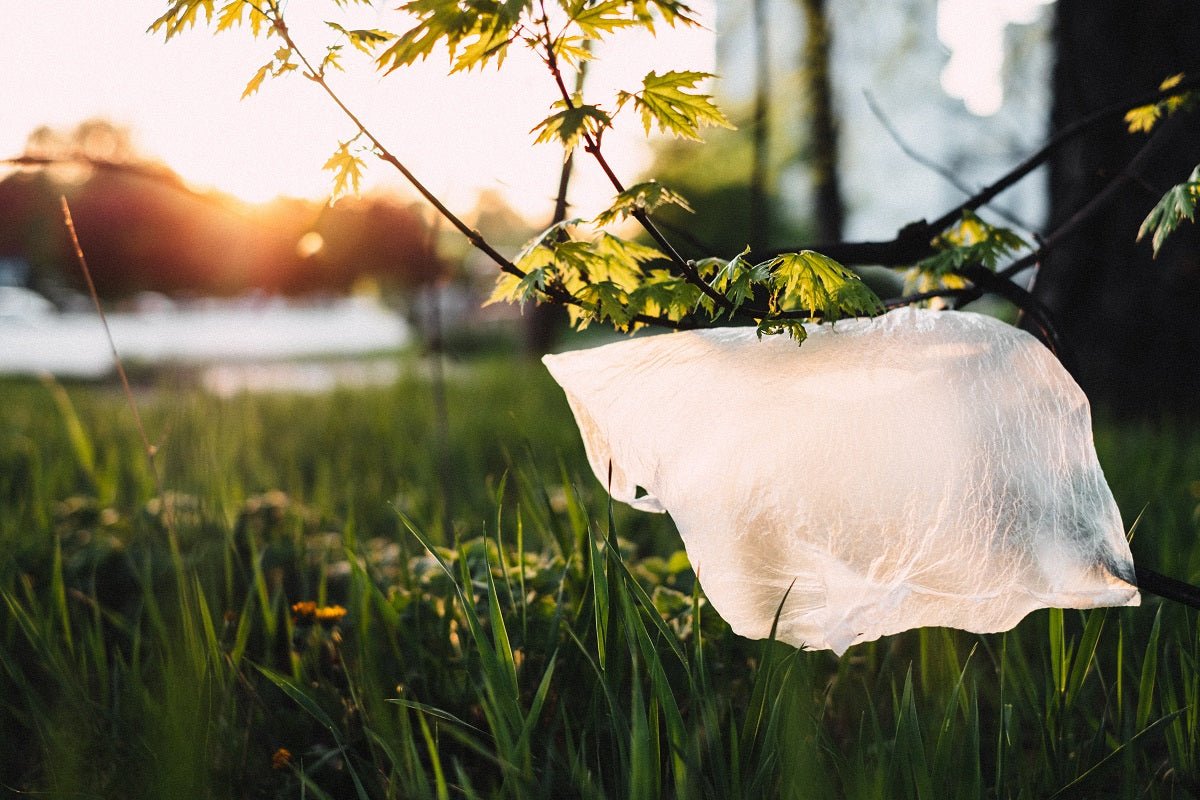
When we go grocery shopping, a huge amount of unnecessary plastic waste is created, not only from food packaging, but also from the plastic bags in which our purchases are then packaged.

It's true, we see more and more people here already using reusable bags, backpacks, or trolleys, but unfortunately, even here, plastic bags have not yet completely disappeared.
So also get a handy tote bag or other reusable bag for your future purchases.
- Plan your purchases
A very simple, but often overlooked, tip: check your supplies before you go shopping.
If you know what you need and plan your shopping, you can avoid food waste much better. Another expert tip: don't go shopping when you're hungry, because when you're hungry, you're not you. So you tend to overindulge and probably just buy what you like.
- Regional & Shop Seasonally
By eating regionally and seasonally, you're not only doing something good for the environment, but also for your health and your wallet. Yes, we also enjoy the occasional avocado or sweet pineapple, but unfortunately, they don't grow in Switzerland.
Furthermore, many of these products require extremely large amounts of water to grow. However, water is often scarce in the growing areas. Furthermore, the enormous amounts of CO2 required for transportation make them far from sustainable.
Let's focus more on our regional and seasonal foods again. Our apples in all their varieties, our cherries, strawberries, and our plums are unbeatable, right?
- Avoid receipts
Whether it's while grocery shopping or after eating at a restaurant, we're often asked if we want a receipt. But honestly, how many times have you accepted them and thrown them straight into the trash?
So avoid doing this in the future and announce it in advance, otherwise you will simply be handed the receipts.
- Glass instead of plastic
Reducing plastic is incredibly important when it comes to living more sustainably.
If you have the choice between glass and plastic when shopping, choose glass in the future. You tend to be able to use thicker glass, making it a more environmentally friendly option. Plus, you won't find harmful substances in glass, unlike plastic.
- Questioning the textile industry
It's probably clear to almost everyone that things are dirty in the textile industry. For the clothes we can buy in well-known fast-fashion stores, children sometimes work in inhumane conditions, unprotected from dangerous chemicals, and for meager, starvation wages.
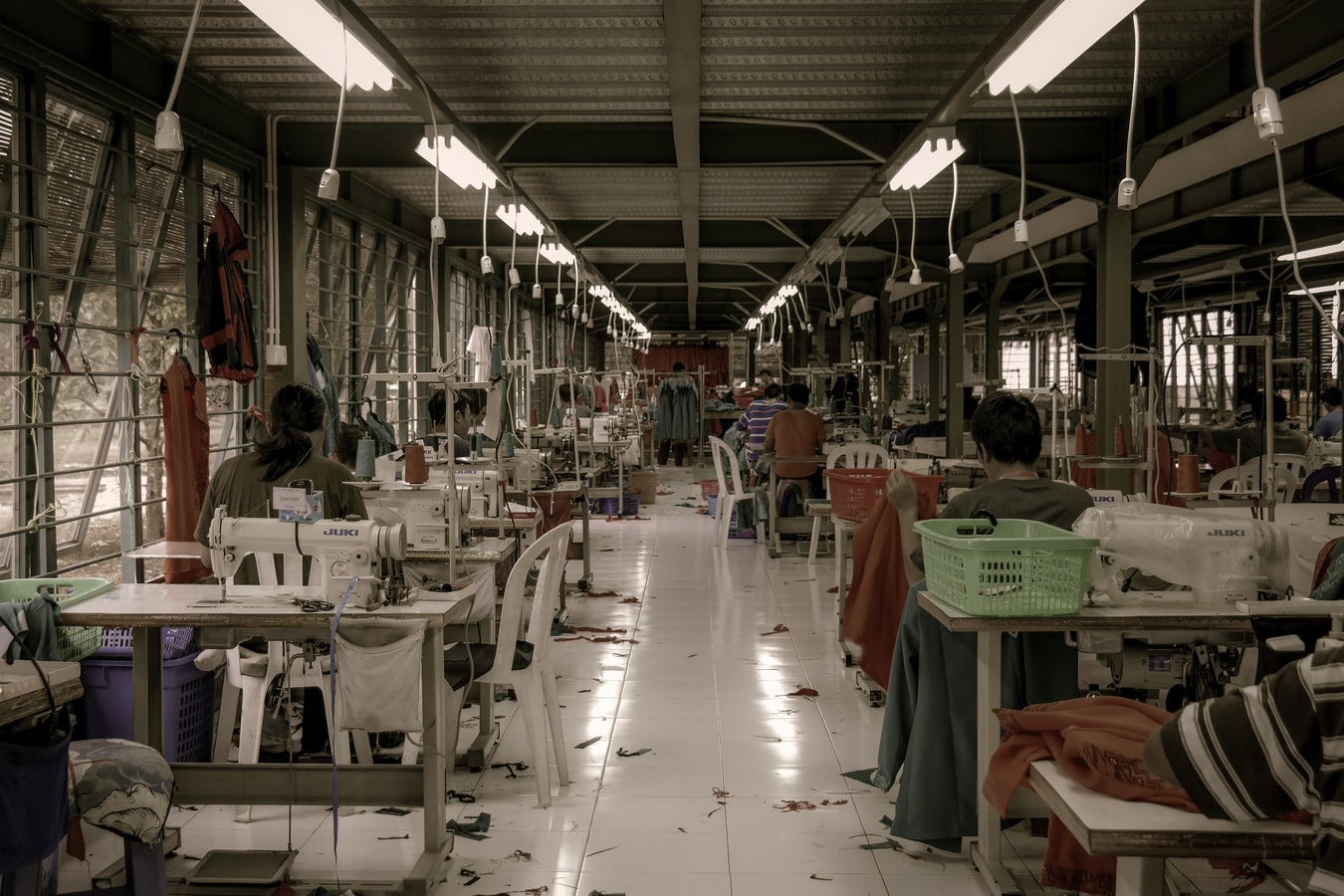
If you're looking to buy more sustainable clothing, there are a few alternatives. There's already a wide selection of beautiful clothing from brands that are sustainably produced and completely transparent. If you want to go a step further, simply buy secondhand clothing or organize a clothing swap—there are more and more options in this area, too.
Living sustainably with the right furniture
The world of design and furniture is also changing right now, and Livom is right at the heart of it all with a sustainable selection of sofas , tables , chairs , and outdoor furniture . That's why we also offer living room & furniture advice for you.
- Pay attention to the origin of the materials
Trees are being cut down: we don't have as much influence over this as we would like.
Unfortunately, today's furniture stores offer a wide selection of tropical wood furniture that carries a sustainability seal. However, the sustainable extraction of tropical wood is a myth.
So why buy a tropical wood table when you can also have beautiful furniture made from local tree species?
- Durable and sustainable
Everyone needs furniture, and living well is important to us. Unfortunately, too often, only the price of the furniture matters, and other factors are overlooked.
We've all had our experiences with cheap furniture. Whether it's incorrectly pre-drilled holes, sofas that wear out quickly, or cabinets that have to be thrown away when we first move, cheap furniture often causes us problems.
A major problem is that cheaply produced furniture is of poor quality and therefore doesn't last as long as quality furniture. It makes a difference whether you have to buy a new wardrobe every three years or whether it easily lasts 15 years. Ultimately, it's worth spending a little more money than having to constantly buy new ones.
Now it's your turn
You see: it's actually not that difficult to live more sustainably in everyday life. We can easily implement most of the suggestions into our daily lives. We just need to be more careful and pay more attention to how we live and consume.
With the WWF Footprint Calculator , you can easily calculate your ecological footprint, for example. This test also showed us that there's still a lot to do when it comes to sustainability in everyday life, but no one's perfect, right?
We're far from perfect. But since we deal with this issue every day, we're also trying to gradually adapt our behavior and ensure we travel in a more climate-friendly manner.
What are you doing to live a little more sustainably in your everyday life? Let us know! 😊